

Table of Contents
UV lights in HVAC systems help kill germs, mold, and bacteria in your home’s air system. There are three main types of UV lights in HVAC systems: coil sterilization lights, air sterilization lights, and combination systems. Each type works differently to clean your air and keep your HVAC system running well. UV lights can make your home’s air healthier and help your HVAC system work better for longer.
What Are UV Lights in HVAC Systems?
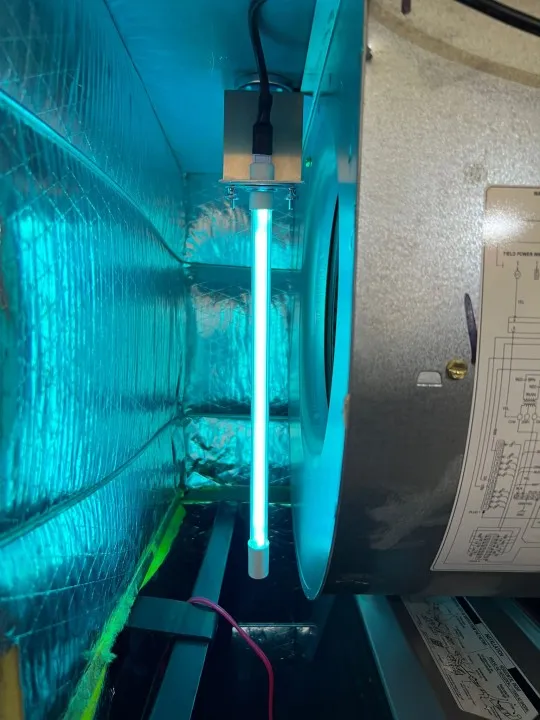
UV lights in HVAC systems are special lights that make ultraviolet rays. These rays are like the ones from the sun that can give you a sunburn, but they’re used for a good purpose inside your air system. The UV light kills tiny germs, mold, and bacteria that might be growing in your air conditioner or heater.
These lights work because the UV rays damage the DNA of germs and mold. When the DNA gets damaged, the germs can’t grow or make you sick. It’s like having a tiny germ-killing superhero inside your air ducts!
UV lights have been used to clean things for over 100 years. Hospitals use them to keep rooms clean, and now we can use them in our homes too. They’re a simple way to make the air you breathe cleaner and healthier.
The Different Types of UV Lights in HVAC
There are three main types of UV lights in HVAC systems. Each one works in a different way to keep your air clean. Let’s look at each type:
Coil Sterilization UV Lights
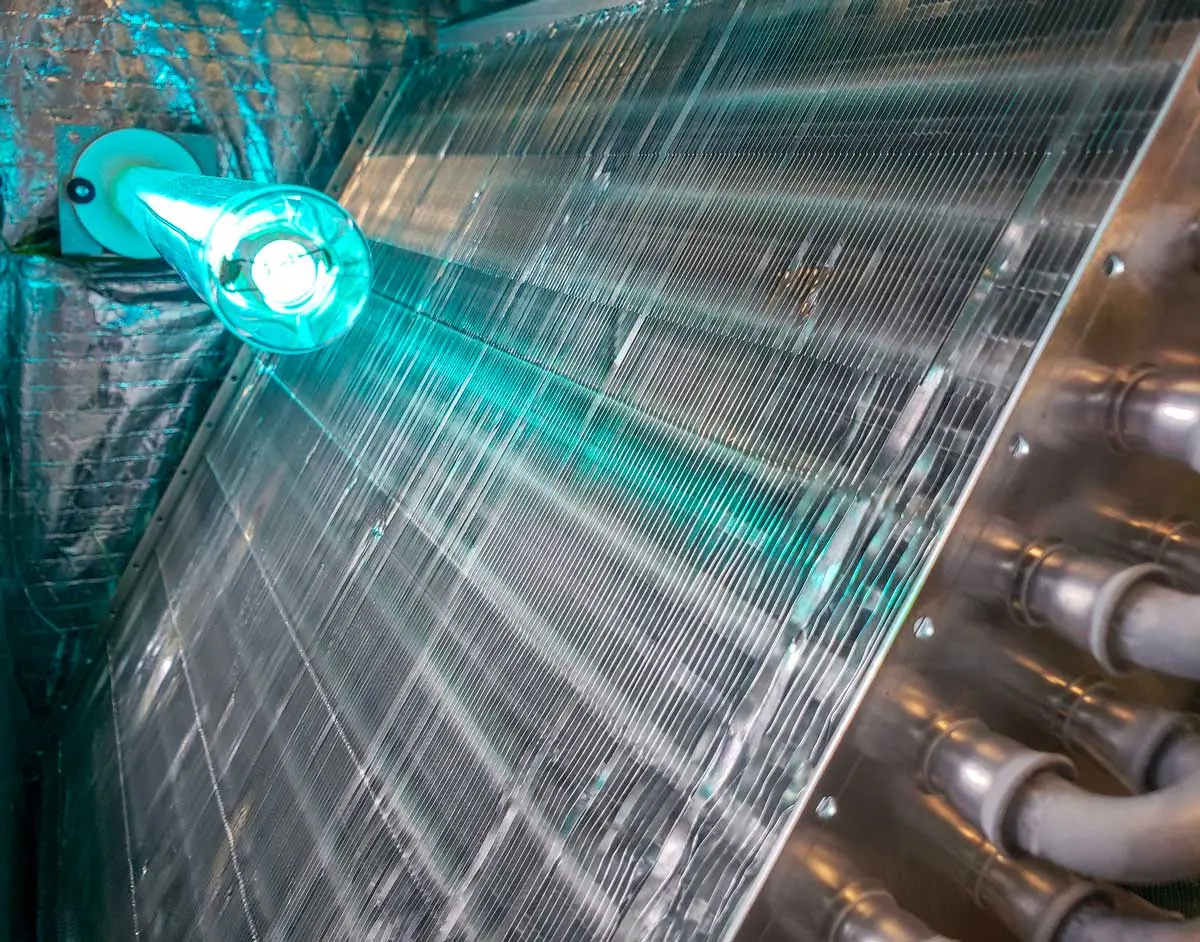
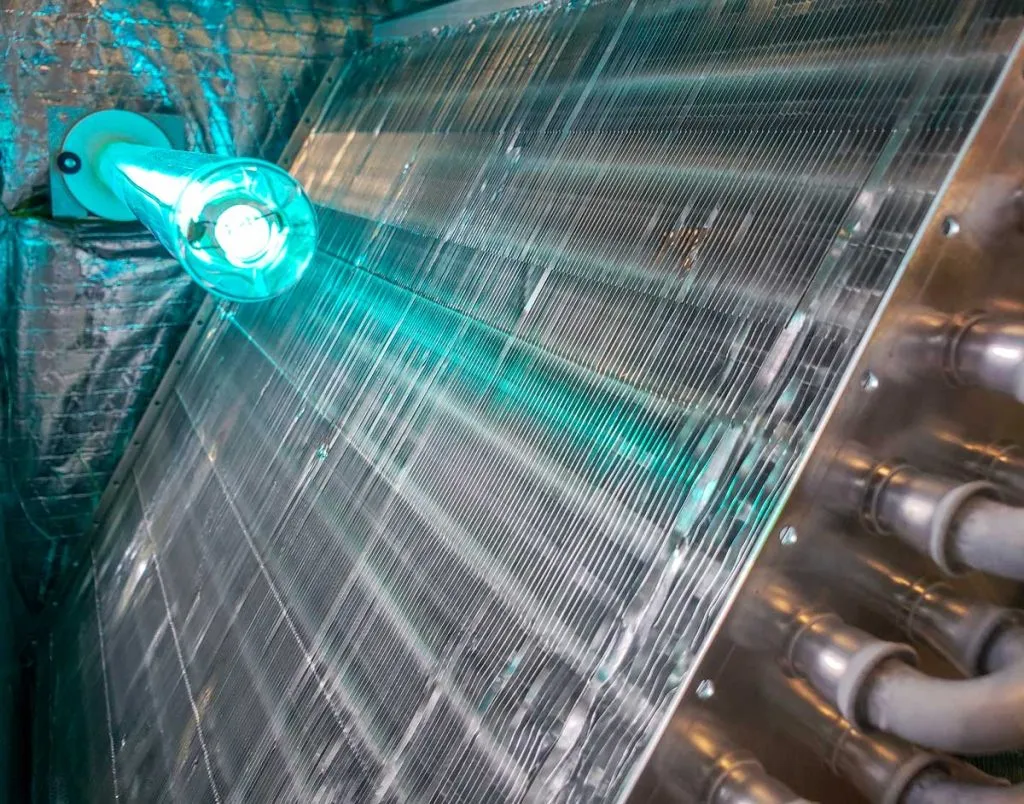
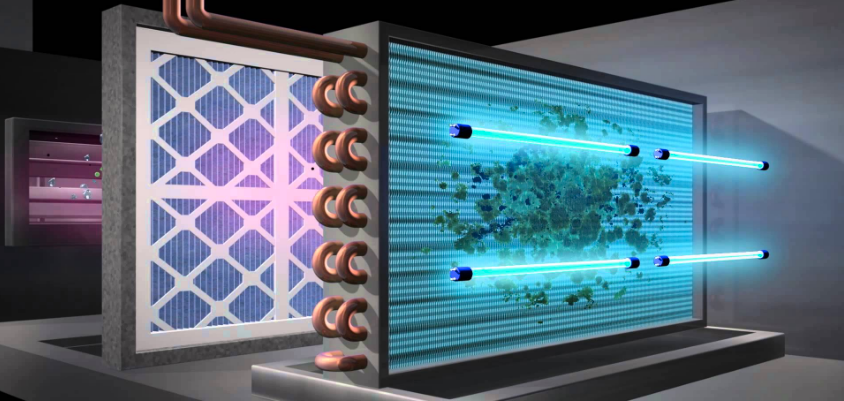
Coil sterilization UV lights are the most common type. These lights are placed near the evaporator coil in your air conditioner. The evaporator coil is often wet and dark, which makes it a perfect place for mold to grow.
These UV lights shine directly on the coil all the time. They stop mold and bacteria from growing on the coil. This helps your air conditioner work better and keeps mold spores from blowing into your home.
Coil UV lights usually need to be replaced once a year. They’re a good choice if you want to keep your system running well and prevent mold problems.
Air Sterilization UV Lights
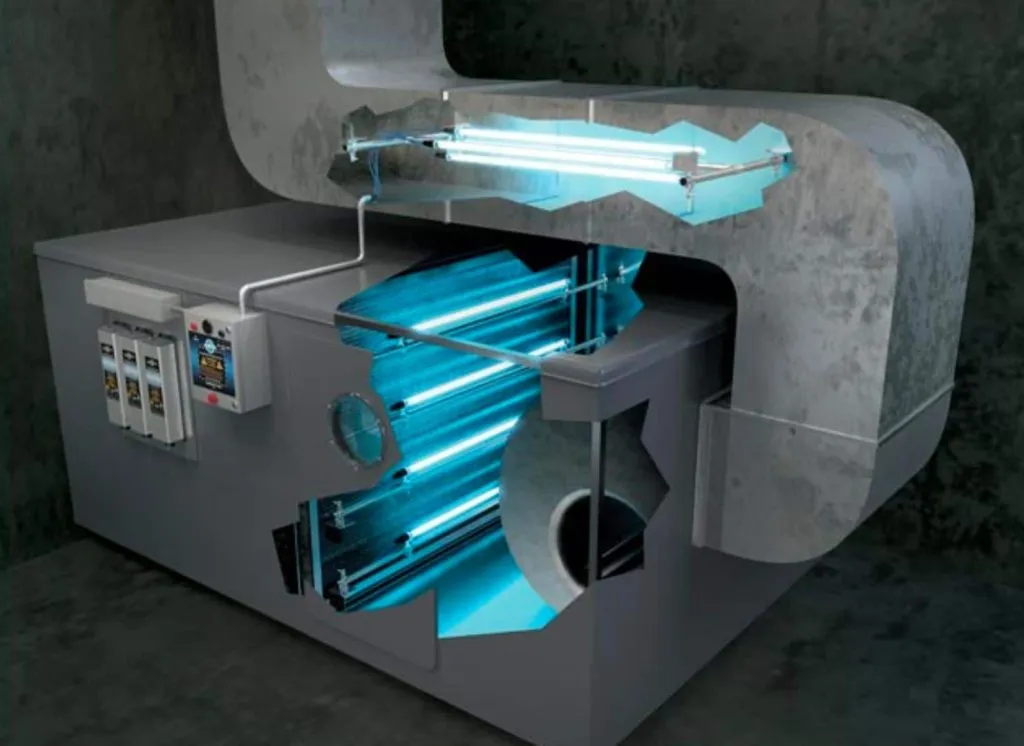
Air sterilization UV lights are placed in your air ducts. Unlike coil lights that stay on all the time, these lights turn on only when your system is blowing air. They clean the air as it passes through your ducts.
These lights kill germs and bacteria in the moving air. They’re great for reducing airborne illnesses in your home. If someone in your family has allergies or gets sick often, these lights can help.
Air sterilization lights use more energy than coil lights because they need to be stronger to clean moving air. But they only run when your system is running, which saves some power.
Combination UV Light Systems
Combination systems use both types of UV lights together. They have lights at the coil and in the air ducts. This gives you the best of both worlds – clean coils and clean moving air.
These systems offer the most complete protection against germs and mold. They keep your system clean and your air healthy. Of course, they also cost more to install and maintain.
Combination systems are perfect for people who want the best air quality possible. They’re also good for homes in humid areas where mold is a big problem.
Benefits of Installing UV Lights in Your HVAC System
Adding UV lights to your HVAC system can help in many ways. Here are the main benefits:
Improved Indoor Air Quality
The biggest benefit of UV lights in HVAC systems is cleaner air. The lights kill up to 99% of germs, bacteria, and mold spores that pass through them. This means you breathe cleaner, healthier air.
For families with allergies or asthma, this can make a big difference. Less mold and fewer germs mean fewer allergy attacks and less sickness. Many people notice they can breathe easier after installing UV lights.
Clean air also means your home smells better. Mold and bacteria can cause musty odors, especially in humid places. UV lights help eliminate these smells by killing what causes them.
Increased HVAC Efficiency
When mold and dirt build up on your air conditioner’s coils, it has to work harder to cool your home. This uses more energy and costs you more money. UV lights keep the coils clean, so your system runs better.
A clean system can use up to 35% less energy than a dirty one. This means lower electric bills for you. The money you save on energy can help pay for the UV light system over time.
Clean coils also help your system last longer. When parts don’t have to work as hard, they don’t wear out as quickly. This means fewer repairs and a longer life for your expensive HVAC equipment.
Reduced Maintenance Needs
With UV lights keeping your system clean, you won’t need as much maintenance. The lights prevent the buildup that normally requires professional cleaning. This saves you money on service calls.
You’ll still need regular maintenance, but your technician will find less mold and dirt inside your system. This makes maintenance visits quicker and more effective. It also means fewer surprise breakdowns between visits.
The UV lights themselves do need maintenance, mainly bulb replacement. But this is simple compared to cleaning a moldy system. Most homeowners find that the reduced maintenance needs are worth the cost of replacing UV bulbs.
How to Install UV Lights in Your HVAC System
Installing UV lights in your HVAC system can be done by professionals or by handy homeowners. Here’s what you need to know:
Professional Installation vs. DIY
Professional installation is the safest and most reliable option. HVAC technicians know exactly where to place the lights for maximum effectiveness. They can also make sure the installation doesn’t damage your system.
A professional installation usually costs between $300 and $900, depending on the type of system. This includes the cost of the lights and the labor. Many companies offer warranties on their installation work.
DIY installation is possible if you’re comfortable working with your HVAC system. UV light kits cost between $100 and $300. They come with instructions and the parts you need. Just remember that UV light can be harmful to your eyes and skin, so follow safety precautions.
Installation Process Overview
The installation process varies depending on the type of UV lights you choose. Here’s a basic overview:
1. Turn off power to your HVAC system at the breaker box.
2. Find the right location for your UV lights (near the coil for coil sterilization, in the ductwork for air sterilization).
3. Mount the UV light fixture according to the manufacturer’s instructions.
4. Connect the power supply to your HVAC system’s power.
5. Install the UV bulb in the fixture.
6. Turn the power back on and test the system.
Most installations take 1-2 hours. The hardest part is usually finding the right spot and making the hole for the light fixture. If you’re not sure about any step, it’s best to call a professional.
Safety Considerations
UV light can harm your eyes and skin. Never look directly at a UV light when it’s on. Always wear protective glasses and cover exposed skin when working with UV lights.
Make sure to turn off the power before installation. Working with electricity is dangerous, especially around metal ductwork that can conduct electricity.
Some UV lights produce ozone, which can be harmful in large amounts. Choose “UV-C” lights that are labeled “ozone-free” for the safest option. These lights kill germs without producing harmful ozone.
Maintenance Tips for HVAC UV Light Systems
To keep your UV lights working well, you need to maintain them properly. Here’s how:
Bulb Replacement Schedule
UV light bulbs need to be replaced regularly, even if they still look like they’re working. The germ-killing power of UV bulbs weakens over time, even when they still produce visible light.
Most UV bulbs for HVAC systems need replacement every 9-14 months. Some premium bulbs might last up to 2 years. Check your manufacturer’s recommendations for your specific bulbs.
Mark your calendar or set a phone reminder for bulb replacement. It’s easy to forget about UV lights since they’re hidden in your HVAC system. Regular replacement ensures they keep working effectively.
Cleaning and Inspection
UV lights work best when they’re clean. Dust on the bulbs can block the UV rays and make them less effective. Every 3-6 months, turn off the system and carefully clean the bulbs with a soft, dry cloth.
While cleaning, inspect the lights for any damage or problems. Look for cracks in the bulbs or signs of water damage to the fixtures. Also check that the lights are still properly aimed at the coil or air path.
Have your HVAC technician check the UV lights during regular maintenance visits. They can make sure everything is working correctly and help you decide when it’s time for bulb replacement.
Troubleshooting Common Issues
If your UV light system isn’t working, first check if the bulb has burned out. Most systems have an indicator light that shows when the UV light is on. If the indicator is off, you might need a new bulb.
Check the power connection if the light isn’t working. Make sure the system is getting power and that any safety switches are properly closed. Some systems won’t turn on if access panels are open.
If you notice more mold or musty smells even with UV lights installed, the lights might not be positioned correctly. They need to shine directly on the coil or in the airflow path to be effective. A professional can help adjust them.
Cost Considerations for HVAC UV Light Systems
Before installing UV lights, it’s important to understand the costs involved:
Initial Investment
The upfront cost for UV lights in HVAC systems ranges from $100 to $1,500. Basic coil sterilization lights are the least expensive. Combination systems with multiple lights cost the most.
Professional installation adds $200-$500 to the cost. While DIY installation saves money, professional installation ensures the system works correctly and safely.
The quality of the UV system affects the price. Higher-quality systems last longer and work better, but cost more initially. It’s usually worth paying more for a system from a reputable brand.
Operating Costs
UV lights use electricity to run. Coil sterilization lights that run constantly use about 5-15 watts. This adds roughly $15-$30 per year to your electric bill.
Air sterilization lights use more power (up to 60 watts) but only run when your system is blowing air. Their yearly operating cost is similar to coil lights because they don’t run all the time.
Replacement bulbs cost $20-$100 each, depending on the type and quality. With yearly replacement, this is your main ongoing cost. Some systems need special bulbs that cost more but last longer.
Return on Investment
The money you save on energy can help offset the cost of UV lights. A clean HVAC system uses less electricity, which lowers your bills. Depending on your system, you might save 5-35% on cooling costs.
UV lights can also save you money on maintenance and repairs. Clean coils mean fewer service calls and a longer life for your HVAC system. Replacing an HVAC system can cost thousands, so extending its life is valuable.
The health benefits are harder to measure in dollars, but they matter too. Fewer sick days and better quality of life have real value. For families with allergies or asthma, the health benefits alone can justify the cost.
Frequently Asked Questions About UV Lights in HVAC
Are UV lights in HVAC systems safe?
Yes, UV lights are safe when installed inside ductwork where there’s no direct exposure to people or pets. Just be sure power is off during maintenance to avoid eye damage from direct UV exposure.
How effective are UV lights at killing germs?
UV lights can eliminate up to 99% of mold, germs, and bacteria on coils and in slow-moving air. Their effectiveness increases when paired with filters and routine HVAC maintenance.
Do UV lights really help with allergies?
Yes, UV lights help reduce mold spores and bacteria that trigger allergies, especially in sensitive individuals. They’re most effective when used with high-quality air filters to catch dust and pollen.
How long do UV lights last in HVAC systems?
Most UV bulbs last 9–14 months, though some can last up to 2 years before losing effectiveness. The fixtures can last 10–15 years with proper maintenance and scheduled bulb replacements.
Can I install UV lights in any HVAC system?
Yes, most HVAC systems can support UV lights, but some may need minor modifications like extra space or electrical access. Always consult a professional to ensure safe and effective installation.
Ready to Improve Your Home’s Air Quality?
Now that you understand the different types of UV lights in HVAC systems, you can make an informed decision about what’s best for your home. Whether you choose coil sterilization, air sterilization, or a combination system, UV lights can help keep your air cleaner and your system running better.
Remember to maintain your UV lights properly by replacing bulbs on schedule and keeping them clean. With proper care, your UV light system will provide years of cleaner, healthier air for your family.
Ready to breathe easier? Contact ACES Heating & Cooling today to discuss adding UV lights to your system. They can help you choose the right type for your needs and ensure proper installation for maximum effectiveness.