

UV light in HVAC systems offers significant benefits like killing germs, improving air quality, and reducing maintenance, but also comes with drawbacks including installation costs, bulb replacements, and potential ozone production.
These ultraviolet light systems work by destroying the DNA of microorganisms that would otherwise grow in your air conditioning system and circulate throughout your home. Before deciding if UV light is right for your HVAC system, it’s important to understand both the advantages and disadvantages.
How UV Light Works in HVAC Systems
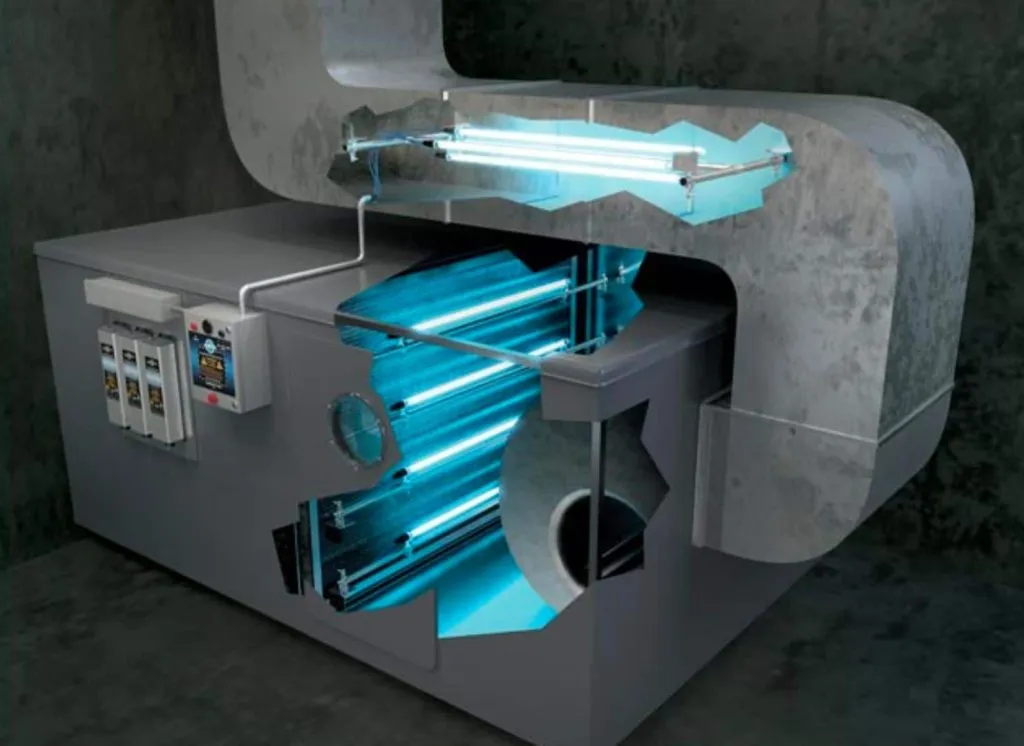
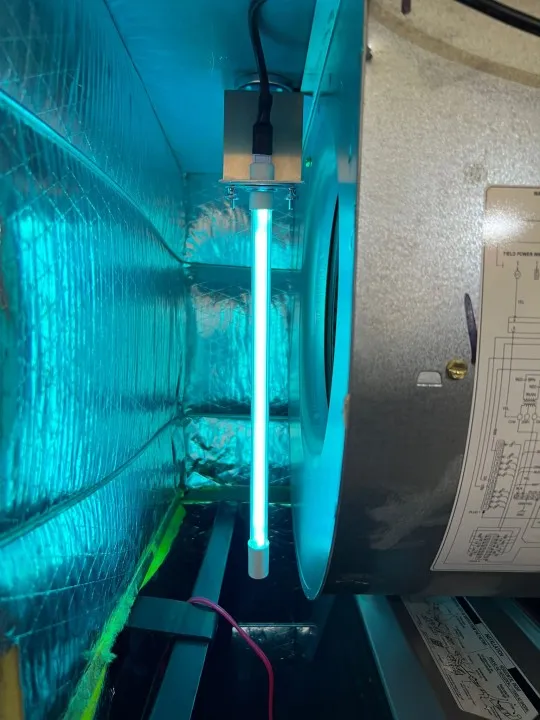
UV light in HVAC systems is pretty simple to understand. These special lights get installed inside your air conditioning system, usually near the cooling coils or in the air ducts. When your AC runs, the UV light shines on the air and surfaces inside.
The magic happens when this UV light hits germs, mold, and other tiny things you don’t want in your air. The light damages their DNA, which stops them from growing or making you sick. It’s like having a tiny germ killer working 24/7 inside your air conditioner!
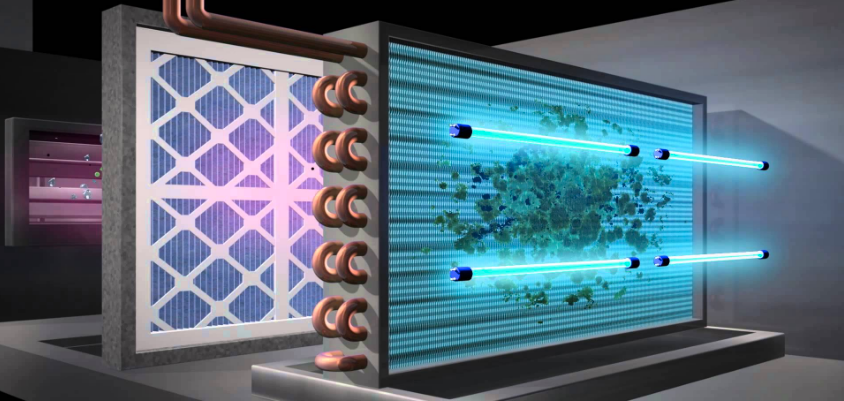
There are two main types of UV lights used in HVAC systems:
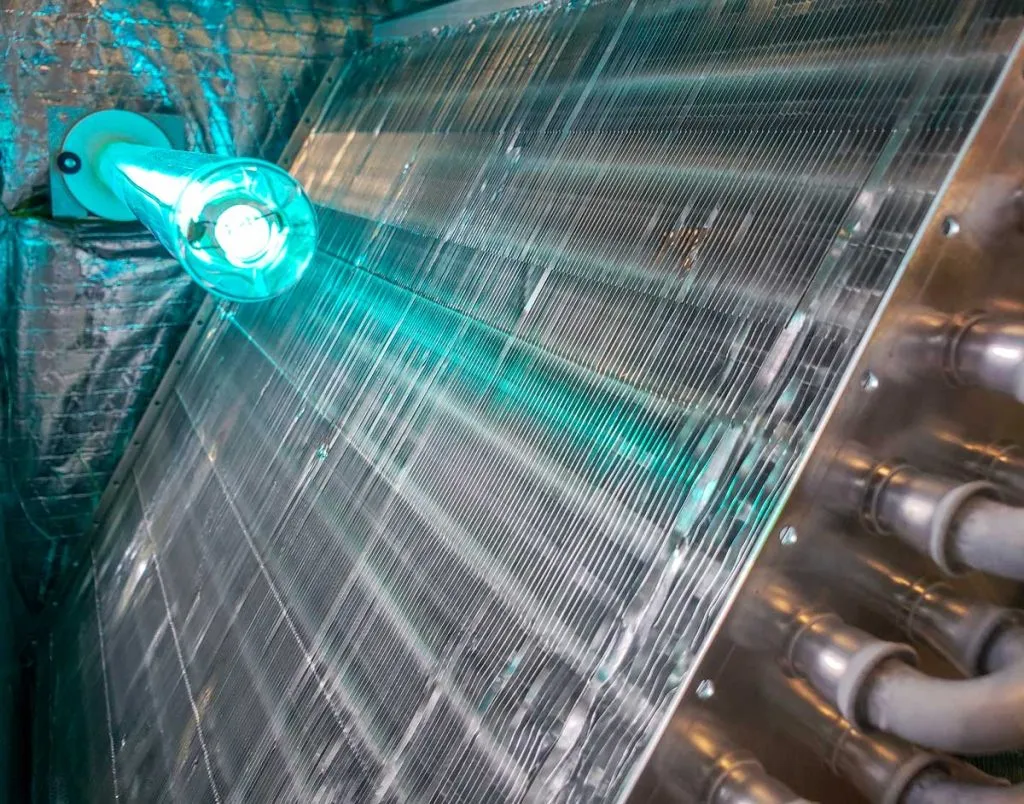
- Coil sterilization lights – These shine directly on the cooling coils to prevent mold and bacteria growth
- Air sterilization lights – These are placed in the ductwork to clean the air as it passes through
UV-C light, which has a wavelength of 253.7 nanometers, is most commonly used because it’s very effective at killing microorganisms. This is the same type of light that hospitals use to sterilize equipment!
The Pros of UV Light in HVAC
Adding UV light to your HVAC system comes with several important benefits that make it worth considering. Let’s look at the biggest advantages:
Improved Indoor Air Quality
One of the biggest pros of UV light in HVAC systems is better air quality in your home. The UV light kills up to 99% of mold, bacteria, viruses, and other harmful microorganisms that might be growing in your air conditioner.
This means the air coming out of your vents is much cleaner. For families with allergies, asthma, or other breathing problems, this can make a huge difference in daily comfort. Many homeowners report fewer allergy symptoms after installing UV lights.
According to the EPA, indoor air can be 2-5 times more polluted than outdoor air. UV lights help address this problem by continuously cleaning the air that circulates through your home.
Reduced Maintenance and Extended System Life
UV lights keep your HVAC system cleaner, which means less maintenance work for you. Without UV light, mold and bacteria build up on cooling coils and in drain pans. This gunk can clog your system and make it work harder.
With UV light keeping things clean, your system runs more efficiently and lasts longer. Many HVAC professionals say that UV lights can add years to your system’s life by preventing the buildup that causes parts to wear out faster.
The math is simple: less buildup = less cleaning = less money spent on maintenance and repairs over time.
Energy Savings
When your HVAC system stays cleaner, it doesn’t have to work as hard to push air through. This means it uses less electricity to cool or heat your home. Some studies show that UV lights can help reduce energy consumption by 10-25%.
Think about it like this: when mold and bacteria grow on your cooling coils, they create a layer of gunk that acts like a blanket. This makes it harder for the coils to do their job of cooling the air. UV light prevents this buildup, keeping your system running at peak efficiency.
Over time, these energy savings can help offset the cost of installing and maintaining the UV light system.
Odor Elimination
Have you ever noticed a musty smell when you turn on your air conditioner? That’s usually caused by mold and bacteria growing inside your system. UV light kills these odor-causing microorganisms, leaving your home smelling fresher.
This benefit is especially noticeable in older homes, homes in humid climates, or systems that have had water damage in the past. The UV light eliminates the source of the smell rather than just masking it like air fresheners do.
The Cons of UV Light in HVAC
While UV lights offer many benefits, they’re not perfect for everyone. Here are the main drawbacks to consider:
Initial Cost and Installation
The biggest con of UV light in HVAC systems is the upfront cost. A good quality UV light system typically costs between $400 and $1,000 installed. This is a significant investment for many homeowners.
Installation should be done by a professional HVAC technician, which adds to the cost. The technician needs to find the right spot for the lights and connect them to your home’s electrical system safely.
For some homeowners, especially those in newer homes with good air quality, this cost might not be worth the benefits. It’s important to weigh the initial investment against the potential long-term savings and health benefits.
Ongoing Maintenance Requirements
UV lights don’t last forever. The bulbs typically need replacement every 1-2 years, even though they might still appear to be working. This ongoing cost adds up over time.
A replacement UV bulb usually costs between $50 and $150, plus the cost of having a technician install it if you’re not comfortable doing it yourself. Some homeowners forget about this maintenance requirement, which reduces the effectiveness of the system.
You’ll also need to clean the bulbs occasionally to ensure they’re working properly. Dust on the bulbs can block the UV light and make it less effective.
Potential for Ozone Production
Some older or lower-quality UV systems can produce ozone as a byproduct. Ozone can irritate the lungs and cause respiratory problems, especially for people with asthma or other breathing conditions.
Modern UV-C lights designed specifically for HVAC systems produce little to no ozone, but it’s important to choose a quality product. Look for UV lights that are UL listed and specifically state they are “ozone-free.”
The Environmental Protection Agency warns against using air cleaners that intentionally produce ozone, so make sure you’re getting a system designed for safe home use.
Limited Effectiveness Against Certain Contaminants
While UV light is great at killing living organisms like mold and bacteria, it doesn’t help with non-living pollutants. Dust, pet dander, smoke particles, and chemical pollutants will pass right through a UV light system unaffected.
This means you might still need other air quality solutions, like regular air filters or air purifiers, to address these other types of contaminants. UV light is just one part of a complete air quality strategy.
Is UV Light Worth the Investment?
Whether UV light is worth adding to your HVAC system depends on your specific situation. Here’s how to decide if it’s right for you:
When UV Light Makes the Most Sense
UV light in HVAC systems is particularly valuable in certain situations:
- If you live in a humid climate where mold growth is common
- If family members have allergies, asthma, or weakened immune systems
- If your home has had previous mold or bacteria problems
- If you’ve noticed musty odors coming from your vents
- If you want to reduce maintenance on your HVAC system
For many homeowners, the health benefits alone make UV light worth the investment. Breathing cleaner air can mean fewer sick days, less severe allergy symptoms, and better overall wellness.
Cost-Benefit Analysis
To determine if UV light makes financial sense, consider these factors:
Initial costs: $400-$1,000 for equipment and installation
Ongoing costs: $50-$150 per year for bulb replacement
Potential savings: 10-25% on energy bills, reduced maintenance costs, extended system life
For a typical home, the energy savings might be $100-$250 per year. Add in the reduced maintenance costs and longer system life, and many homeowners find that UV lights pay for themselves within 2-4 years.
Of course, the health benefits are harder to put a price tag on, but they’re often the most important factor for families dealing with allergies or respiratory issues.
Installation and Maintenance Tips
If you decide to add UV light to your HVAC system, here are some important tips to get the most benefit:
Choosing the Right UV System
Not all UV light systems are created equal. Here’s what to look for:
- Choose UV-C lights specifically designed for HVAC systems
- Look for UL-listed products that are certified safe
- Select “ozone-free” models to avoid respiratory irritation
- Consider the size and layout of your HVAC system when selecting power and coverage
The best place to start is by talking with a qualified HVAC professional who can recommend the right system for your specific needs and home size.
Safety Considerations
UV light can be harmful to your eyes and skin with direct exposure. That’s why proper installation is so important. The lights should be installed with safety switches that turn them off when access panels are opened.
Never look directly at UV lights when they’re operating, and always turn off the power to the system before performing any maintenance. If you’re not comfortable working with electrical components, always hire a professional.
Maintenance Schedule
To keep your UV light system working effectively:
- Replace UV bulbs every 12-24 months (follow manufacturer recommendations)
- Clean the bulbs quarterly with a soft cloth and alcohol to remove dust
- Have your entire HVAC system inspected annually by a professional
- Check that the UV light is operating (most have indicator lights visible from outside)
Mark these maintenance tasks on your calendar so you don’t forget them. The effectiveness of your UV system depends on proper maintenance.
Frequently Asked Questions About UV Light in HVAC
How long do UV lights last in HVAC systems?
UV light bulbs typically last about 9,000 to 14,000 hours, which translates to approximately 1-2 years of continuous operation. Even though the bulb might still emit visible light after this period, its UV effectiveness decreases significantly. That’s why regular replacement is necessary even when the bulb appears to be working.
Can UV light damage my HVAC system?
When properly installed, UV lights won’t damage your HVAC system. They’re designed to kill microorganisms without harming the metal, wiring, or components of your system. However, some plastic components might degrade faster with constant UV exposure. A professional installer will position the lights to minimize any potential issues.
Are UV lights safe for homes with pets and children?
Yes, UV lights in HVAC systems are safe for homes with pets and children when properly installed. The UV light is contained within the ductwork or air handler, so there’s no direct exposure to people or pets. Modern systems also include safety switches that turn off the lights when access panels are opened.
Do UV lights work in all HVAC systems?
UV lights can be installed in most residential HVAC systems, but the specific installation method might vary. Older systems might require some modifications to accommodate UV lights. It’s best to have an HVAC professional evaluate your system to determine compatibility and the best installation approach.
How much electricity do UV lights use?
Most residential UV light systems use between 15 and 85 watts of electricity, similar to a standard light bulb. The annual electricity cost typically ranges from $15 to $30, which is minimal compared to the potential energy savings from improved HVAC efficiency.
Can I install UV lights myself?
While DIY installation kits are available, professional installation is strongly recommended. Proper placement is crucial for effectiveness, and there are electrical and safety considerations that require expertise. Incorrect installation could reduce effectiveness or create safety hazards.
Is UV Light in HVAC Right for Your Home?
UV light in HVAC systems offers significant benefits for many homeowners, particularly those concerned about indoor air quality and system efficiency. The technology effectively kills harmful microorganisms that would otherwise circulate through your home or grow inside your air conditioning system.
However, the decision to install UV lights should consider both the pros (improved air quality, reduced maintenance, energy savings) and cons (initial cost, ongoing maintenance, limited effectiveness against non-living contaminants).
For families with allergies, asthma, or other respiratory concerns, the health benefits often outweigh the costs. For others, the reduced maintenance and extended system life might be the deciding factors.
The best approach is to consult with a qualified HVAC professional who can evaluate your specific situation and recommend the right solution for your home. They can help you understand the costs and benefits as they apply to your particular system and air quality needs.
Ready to breathe cleaner air and improve your HVAC system’s efficiency? Contact ACES Heating & Cooling today to schedule a consultation about adding UV light technology to your home’s heating and cooling system. Your lungs (and your energy bills) will thank you!