

Table of Contents
Your HVAC condenser coil is the heart of your cooling system. It works hard to release heat from your home to the outside air. Without proper care, your condenser coil can get dirty and stop working well. This makes your system use more energy and can lead to costly repairs. Regular condenser coil care can help your system last longer and keep your energy bills lower.
In this guide, we’ll show you everything you need to know about taking care of your HVAC condenser coil. You’ll learn how to clean it, when to call a pro, and how to keep it working its best all year long.
What Is an HVAC Condenser Coil?
The HVAC condenser coil is a key part of your air conditioning system. It sits inside the outdoor unit of your HVAC system. This coil is made of copper or aluminum tubes with thin metal fins. The condenser coil’s job is to release heat from your home to the outside air.
When your AC runs, refrigerant flows through the condenser coil. As it does, the refrigerant changes from a gas to a liquid. This change releases heat. A fan in the outdoor unit blows air across the HVAC condenser coil to help this process.

Your HVAC condenser coil works together with the evaporator coil inside your home. While the evaporator coil absorbs heat from indoor air, the condenser coil releases that heat outside. This cycle keeps your home cool and comfortable.
Why HVAC Condenser Coil Care Matters
Taking care of your HVAC condenser coil is super important. When your condenser coil gets dirty or damaged, your whole system suffers. Here’s why regular care matters:
Energy Efficiency
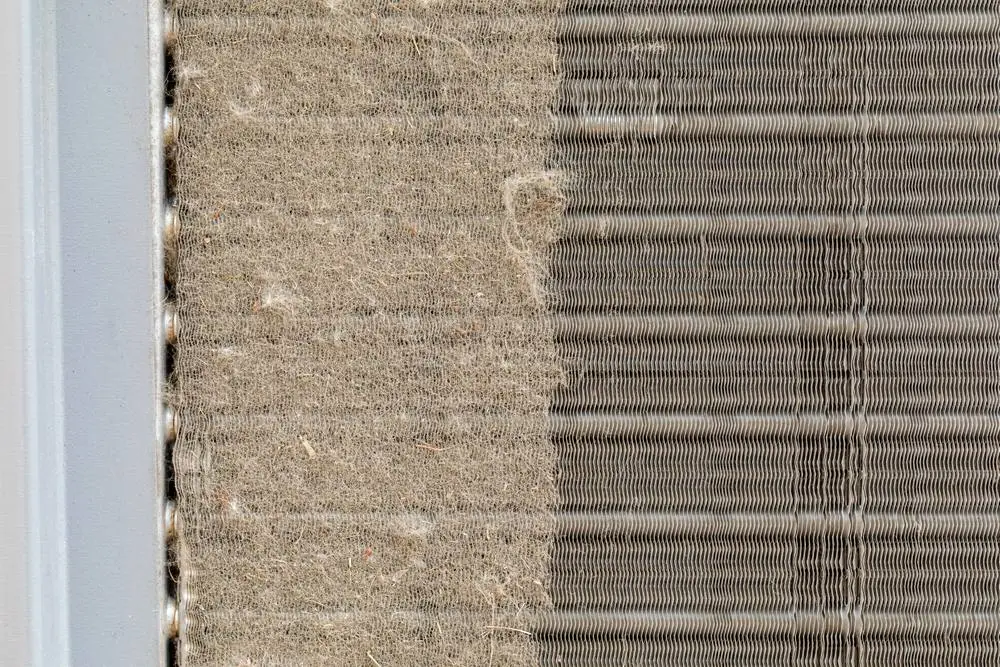
A clean HVAC condenser coil helps your system run efficiently. When dirt builds up on the coil, it acts like a blanket. This makes it harder for the coil to release heat. Your system then has to work harder and use more energy to cool your home. In fact, a dirty condenser coil can increase energy use by up to 30%!
System Lifespan
Regular HVAC condenser coil care helps your system last longer. When the coil is dirty, your system has to work overtime. This extra strain can wear out parts faster. By keeping your condenser coil clean, you help your whole system live a longer, healthier life.
Cooling Performance
A well-maintained HVAC condenser coil cools your home better. When the coil can’t release heat properly, your system struggles to cool your home. You might notice some rooms feel warmer than others. Or your system might run longer without reaching the temperature you want. Clean condenser coils help ensure even, effective cooling.
Repair Costs
Neglecting your HVAC condenser coil can lead to expensive problems. When the coil can’t work properly, it puts stress on other parts. This can cause your compressor to fail, which is one of the most expensive HVAC repairs. Regular condenser coil care helps prevent these costly issues.
How to Clean Your HVAC Condenser Coil
Cleaning your HVAC condenser coil is something many homeowners can do themselves. Here’s a step-by-step guide to help you keep your condenser coil in top shape:

Safety First
Before you start cleaning your HVAC condenser coil, turn off the power. Find the disconnect box near your outdoor unit and switch it off. Or turn off the breaker for your AC at your main electrical panel. This keeps you safe while working on the unit.
Remove Debris
Start by clearing the area around your outdoor unit. Remove leaves, twigs, grass clippings, and other debris. Then, use a soft brush or vacuum to clean the outside of the unit. Be gentle with the fins, as they bend easily.

Basic Cleaning Steps
For a basic cleaning of your HVAC condenser coil, follow these steps:
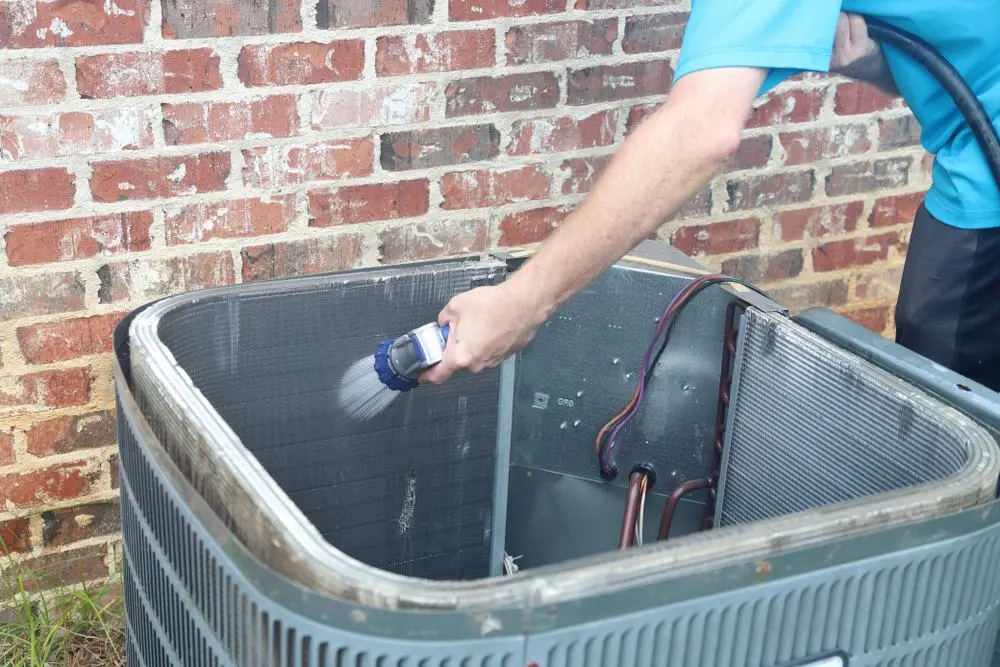
- Remove the top grille of the unit (you may need a screwdriver).
- Use a soft brush to gently remove dirt from the condenser coil.
- Spray the coil with a commercial coil cleaner, following the product instructions.
- Let the cleaner foam and work for the time listed on the product.
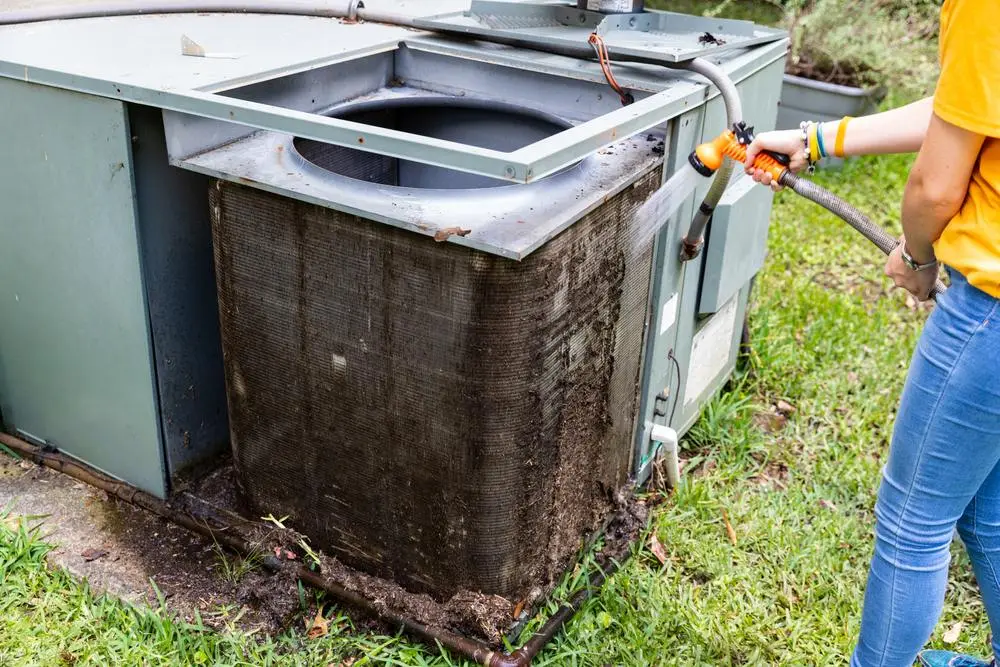
- Rinse gently with a garden hose (not a pressure washer).
- Replace the top grille and restore power when the unit is dry.
Deep Cleaning
For a more thorough cleaning of your condenser coil, you might need:
- Commercial HVAC coil cleaner
- Fin comb (to straighten bent fins)
- Soft bristle brush
- Garden hose with spray nozzle
Spray the cleaner on the condenser coil and let it sit according to directions. Then rinse from the inside out if possible. This pushes dirt out the way it came in. Use a fin comb carefully if fins are bent.
When to Call a Pro
While basic cleaning is DIY-friendly, some situations call for professional help:
- If your condenser coil is extremely dirty
- If you notice damage to the coil
- If you’re not comfortable removing panels
- If your system isn’t cooling well even after cleaning
A professional has special tools and cleaners for tough HVAC condenser coil jobs. They can also check for other issues while they’re there.
Professional HVAC Condenser Coil Maintenance
While DIY cleaning helps, professional maintenance of your condenser coil is also important. Experts have the tools and knowledge to care for your system properly.
What Professionals Do
During a professional maintenance visit, a technician will:
- Inspect the entire condenser coil for damage
- Use special cleaners that remove stubborn dirt
- Check refrigerant levels (low refrigerant can damage the coil)
- Test system pressure and performance
- Straighten bent fins with special tools
- Check for oil or refrigerant leaks
These steps help ensure your HVAC condenser coil works at its best. They can spot small problems before they become big ones.
How Often to Schedule Professional Service
Most HVAC experts recommend professional maintenance twice a year:
- Spring service: Gets your cooling system ready for summer
- Fall service: Prepares your heating system for winter
During both visits, the technician should check your HVAC condenser coil. Even in fall, when you’re focusing on heating, the condenser coil needs attention. This regular care helps prevent problems year-round.
Choosing a Service Provider
When selecting someone to maintain your condenser coil:
- Look for licensed, insured professionals
- Check reviews and ask for references
- Consider companies that offer maintenance plans
- Ask about their experience with your specific system type
A good technician will explain what they’re doing and why it matters for your condenser coil. They should also provide tips for between-visit care.
Preventing HVAC Condenser Coil Damage
Preventing damage to your HVAC condenser coil is easier and cheaper than fixing problems later. Here are smart ways to protect this vital part:
Keep the Area Clear
Your condenser coil needs good airflow to work properly. Keep at least 2 feet of clear space around your outdoor unit. Trim back bushes, grass, and other plants. Don’t store things like lawn furniture or grills near the unit. This space helps your HVAC condenser coil release heat effectively.
Install a Cover (Carefully)
A cover can protect your condenser coil in certain situations. However, only use covers designed for your unit model. And only cover the unit when it’s not in use for long periods. Never run your AC with the cover on, as this can seriously damage the condenser coil.
Regular Inspections
Check your outdoor unit monthly during the cooling season. Look for:
- Debris around or inside the unit
- Bent or damaged fins on the condenser coil
- Unusual noises when the system runs
- Ice formation on the lines or coil
- Oil spots that might indicate a leak
Catching these issues early can prevent damage to your condenser coil.
Change Indoor Filters
Believe it or not, your indoor air filter affects your condenser coil. A clogged filter restricts airflow through your entire system. This makes your condenser coil work harder. Change your filter every 1-3 months to help protect your whole system.
When to Replace Your HVAC Condenser Coil
Even with great care, condenser coils don’t last forever. Knowing when to repair versus replace can save you money and hassle.
Signs Your HVAC Condenser Coil Needs Replacement
Watch for these warning signs:
- Your system runs constantly but doesn’t cool well
- Energy bills have increased dramatically
- The condenser coil has visible corrosion or damage
- Your system is over 10-15 years old and having problems
- Refrigerant leaks keep happening despite repairs
- Repair costs are mounting up
If you notice these issues, have a professional check your condenser coil.
Repair vs. Replace Decisions
Sometimes replacing just the condenser coil makes sense. Other times, replacing the whole system is smarter. Consider:
- Age of your system (older systems may warrant full replacement)
- Cost of repair vs. replacement
- Energy efficiency of your current system
- Whether your system uses outdated refrigerant
A good rule: If repair costs exceed 50% of a new system’s price, or if your system is over 15 years old, replacement is often better.
Choosing a New System
If you need a new condenser coil or system, look for:
- High SEER rating (Seasonal Energy Efficiency Ratio)
- Proper sizing for your home
- Good warranty coverage
- Features like corrosion-resistant coils
- Compatibility with your indoor components
A quality condenser coil in a new system can provide better comfort and lower energy bills for years to come.
Frequently Asked Questions About HVAC Condenser Coils
How often should I clean my HVAC condenser coil?
To keep your system running efficiently, clean your condenser coil at least once a year—preferably before summer. If you live near lots of trees, pollen, or dust, consider doing it twice a year for better performance and longer coil life.
Can I use a pressure washer to clean my HVAC condenser coil?
No, you should not use a pressure washer on your HVAC condenser coil. The high pressure can bend the delicate fins and damage the coil. Instead, use a garden hose with a gentle spray nozzle. This provides enough force to clean without causing damage to the HVAC condenser coil.
Why is my HVAC condenser coil freezing up?
A frozen coil can point to low refrigerant, clogged filters, or airflow issues. If your condenser coil freezes, turn off the unit immediately and contact a technician before the problem leads to damage or a broken compressor.
How long should an HVAC condenser coil last?
With regular maintenance and proper care, most condenser coils last 10 to 15 years. Climate, system usage, and installation quality can all shorten or extend that expected lifespan, especially in coastal areas where salt causes corrosion.
Can I replace just the HVAC condenser coil instead of the whole unit?
Yes, it’s possible to replace just the coil, but it’s not always cost-effective—especially for older systems. Mixing old and new components can hurt performance and might reduce how long your HVAC system continues working efficiently.
What’s the difference between the condenser coil and evaporator coil?
The evaporator coil absorbs indoor heat while the condenser coil releases it outside. Both are essential for cooling your home and need routine upkeep to ensure your HVAC system stays balanced, efficient, and running smoothly year-round.
Keep Your HVAC Condenser Coil in Top Shape
Your HVAC condenser coil plays a crucial role in keeping your home comfortable. With regular cleaning and maintenance, you can help it work efficiently for years to come. Remember to clear debris, schedule professional service, and watch for signs of trouble.
Taking care of your condenser coil isn’t just about comfort—it’s about saving money too. A well-maintained coil uses less energy and helps prevent costly repairs. It’s one of the smartest investments you can make in your home comfort system.
Ready to give your HVAC condenser coil the care it deserves? Schedule a professional maintenance visit today. Our expert technicians can clean your coil, check for problems, and help your system run at its best. Don’t wait until your system fails on the hottest day of the year—call ACES HVAC now to book your appointment!