


Table of Contents
No, an HVAC tune up is not exactly the same as maintenance, though they are closely related. An HVAC tune up is a specific service that focuses on checking, cleaning, and optimizing your system’s performance. It’s like a checkup for your HVAC system.
Maintenance, on the other hand, is a broader term that includes tune ups plus additional services like repairs, part replacements, and ongoing care throughout the year. You don’t need to choose between HVAC tune up vs maintenance, instead think of a tune up as one important part of a complete maintenance plan.
Key Differences Between HVAC Tune Ups and Maintenance
When it comes to caring for your heating and cooling system, understanding the difference between a tune up and maintenance can help you make better decisions about your HVAC care. Let’s break down these differences in simple terms.
HVAC Tune Up: The Checkup
An HVAC tune up is like a doctor’s checkup for your heating and cooling system. During a tune up, a technician will:
- Check your system’s performance
- Clean key components
- Make small adjustments
- Identify potential problems
A tune up is usually a one-time service that takes a few hours. It’s focused on making sure everything is running well right now. Think of it as a snapshot of your system’s health at a specific moment.
HVAC Maintenance: The Ongoing Care
Maintenance is more like a complete healthcare plan for your HVAC system. It includes:
- Regular tune ups (usually twice a year)
- Repairs when needed
- Replacement of worn parts
- Ongoing monitoring of system performance
- Emergency service when problems arise
Maintenance is a long-term approach to HVAC care. It’s about keeping your system healthy over its entire life, not just making it run well today.
The Relationship Between Tune Ups and Maintenance
Think of it this way: all tune ups are a form of maintenance, but not all maintenance is a tune up. A tune up is one important service within a broader maintenance plan.
Many HVAC companies offer maintenance plans that include regular tune ups plus other benefits like priority service, discounted repairs, and extended warranties. These plans help spread the cost of HVAC care throughout the year while ensuring your system gets regular attention.

What Does an HVAC Tune Up Include?
When a technician comes to your home for an HVAC tune up, they’ll perform a series of specific tasks to check and optimize your system. Here’s what you can expect during a typical HVAC tune up:
For Your Air Conditioner
- Cleaning the condenser coils – This helps your AC transfer heat more efficiently
- Checking refrigerant levels – The right amount of refrigerant is crucial for cooling
- Testing the thermostat – Making sure it’s accurate and working properly
- Inspecting electrical connections – Loose connections can be dangerous and waste energy
- Lubricating moving parts – This reduces friction and helps parts last longer
- Checking the condensate drain – A clogged drain can cause water damage and humidity problems
For Your Furnace or Heating System
- Inspecting the heat exchanger – Looking for cracks that could leak carbon monoxide
- Checking the burner – Making sure it ignites properly and burns efficiently
- Testing safety controls – These prevent dangerous operating conditions
- Cleaning or replacing air filters – Dirty filters restrict airflow and reduce efficiency
- Checking the blower motor – This moves air through your home
- Inspecting the flue pipe – This safely removes combustion gases from your home
A good HVAC tune up will also include a performance test to make sure your system is running at peak efficiency. The technician will measure things like temperature difference across the coil, airflow, and electrical draw.
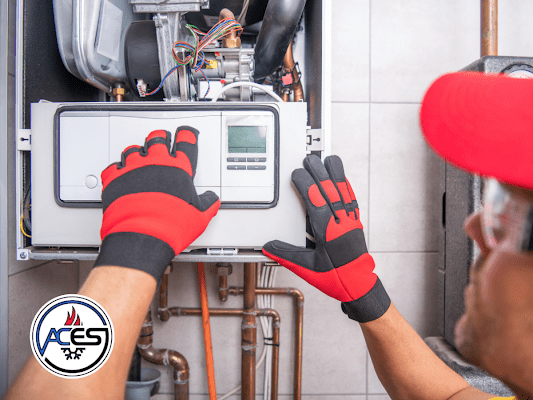
What Does HVAC Maintenance Include?
HVAC maintenance is a comprehensive approach to system care that goes beyond a simple tune up. A complete maintenance program typically includes:
Preventive Services
- Seasonal tune ups – Usually one in spring for your AC and one in fall for your heating system
- Filter changes – Regular replacement of air filters between tune ups
- System monitoring – Tracking performance over time to spot trends
- Equipment inspections – Looking for signs of wear before they cause problems
Reactive Services
- Repair services – Fixing problems when they occur
- Parts replacement – Swapping out worn components before they fail
- Emergency response – Quick service when your system breaks down
- System upgrades – Recommendations for improving efficiency or comfort
Additional Benefits of Maintenance Plans
Many HVAC companies offer maintenance plans or service agreements that provide extra value:
- Priority scheduling – You get service before non-plan customers
- Discounted repairs – Reduced rates on parts and labor
- Extended warranties – Longer coverage for your equipment
- No overtime charges – Same rates even for after-hours service
- Automatic scheduling – The company contacts you when service is due
A good maintenance plan treats your HVAC system as an important investment that needs ongoing care, not just occasional attention.

Benefits of Regular HVAC Tune Ups and Maintenance
Taking care of your HVAC system through regular tune ups and maintenance offers many important benefits. Here’s why it’s worth the investment:
Financial Benefits
- Lower energy bills – A well-maintained system uses 15-20% less energy according to the U.S. Department of Energy
- Fewer costly repairs – Catching small problems before they become big ones saves money
- Extended equipment life – Regular care can help your system last 5-10 years longer
- Better return on investment – You get more value from your HVAC purchase
Comfort Benefits
- More consistent temperatures – Your home stays at the temperature you want
- Better humidity control – Your system can remove moisture more effectively
- Reduced noise – A well-maintained system runs more quietly
- Faster heating and cooling – Your home reaches the desired temperature quicker
Health and Safety Benefits
- Improved air quality – Clean components and fresh filters mean cleaner air
- Reduced allergens – Less dust and fewer pollutants circulating in your home
- Carbon monoxide prevention – Regular checks can spot dangerous leaks
- Fire risk reduction – Electrical and fuel connection inspections prevent hazards
Environmental Benefits
- Reduced energy consumption – Using less electricity or fuel means fewer resources used
- Lower carbon footprint – Less energy use means fewer greenhouse gas emissions
- Less refrigerant leakage – Regular checks prevent leaks of harmful refrigerants
The small cost of regular HVAC tune ups and maintenance pays for itself many times over through these benefits. It’s one of the smartest investments you can make in your home.

How Often Should You Schedule HVAC Services?
Knowing when to schedule HVAC services helps you keep your system in top shape without spending more than necessary. Here’s a simple guide to help you plan your HVAC care:
Recommended Schedule for Tune Ups
For most homes, the ideal schedule is:
- Air conditioning tune up – Once per year in spring (March-May)
- Heating system tune up – Once per year in fall (September-November)
This timing helps ensure your system is ready before you need it most. Getting your AC checked before summer heat arrives and your heating system inspected before winter cold sets in helps prevent uncomfortable breakdowns during extreme weather.
Maintenance Tasks by Frequency
Beyond professional tune ups, here’s a timeline for other maintenance tasks:
Monthly:
- Check and change air filters (or every 1-3 months depending on filter type)
- Clear area around outdoor units of debris
- Listen for unusual noises
Seasonally:
- Clean registers and return vents
- Check thermostat settings
- Inspect visible ductwork for leaks
Annually:
- Professional tune ups as mentioned above
- Clean condensate drain lines
- Check door and window seals
When You Might Need More Frequent Service
Some situations call for more regular attention:
- Older systems (10+ years) may need twice-yearly tune ups
- Homes with pets need more frequent filter changes
- Dusty environments require more attention to cleaning
- Heavy usage homes may need more frequent checks
Remember that maintenance plans often include two tune ups per year plus additional benefits. For many homeowners, these plans provide the right level of care without having to remember when service is due.

DIY HVAC Maintenance Tips
While professional service is essential, there are several maintenance tasks you can do yourself to keep your HVAC system running well between tune ups. Here are some simple DIY maintenance tips:
Monthly DIY Tasks
- Change air filters regularly – This is the single most important DIY task. Check monthly and replace when dirty (usually every 1-3 months).
- Keep outdoor units clear – Remove leaves, sticks, grass clippings, and other debris from around your outdoor AC unit or heat pump. Maintain at least 2 feet of clearance on all sides.
- Check thermostat operation – Make sure your thermostat is working correctly and the temperature reading seems accurate.
Seasonal DIY Tasks
- Clean vents and registers – Remove and wash vent covers to remove dust buildup. Vacuum inside accessible ductwork.
- Inspect visible ductwork – Look for obvious disconnections, holes, or crushed sections in accessible ducts.
- Clean condensate drain – Pour a cup of vinegar or bleach solution down the drain to prevent algae growth.
- Test your system – Run your heating or cooling before you really need it to make sure everything works.
DIY Inspection Checklist
Use your senses to spot potential problems:
Look for:
- Water leaks or puddles near equipment
- Excessive rust or corrosion
- Frayed wires or damaged components
- Ice buildup on refrigerant lines
Listen for:
- Unusual noises (grinding, squealing, banging)
- System cycling on and off frequently
- Blower running constantly
Feel for:
- Weak airflow from vents
- Air that’s not as cool or warm as it should be
- Excessive vibration from equipment
Smell for:
- Burning odors
- Musty or moldy smells
- Gas odors (leave immediately and call for service)
If you notice any of these signs, it’s time to call a professional. DIY maintenance is important, but it doesn’t replace the need for expert service.

Frequently Asked Questions
How much does an HVAC tune up cost?
The cost of an HVAC tune up typically ranges from $75 to $200, depending on your location, the type of system you have, and the company you choose. Many companies offer special seasonal promotions that can lower this cost. Maintenance plans that include tune ups may offer better value, with annual plans ranging from $150 to $500.
Can I skip HVAC tune ups if my system seems to be working fine?
It’s not recommended to skip tune ups even if your system appears to be working well. Many problems develop slowly and aren’t noticeable until they cause a breakdown. Regular tune ups catch these issues early when they’re less expensive to fix. Think of it like skipping dental checkups – problems can develop without symptoms until they become serious and costly.
What’s the difference between a tune up and an inspection?
An inspection is primarily a visual check of your system to identify obvious problems. A tune up includes inspection plus cleaning, testing, measuring, and adjusting components to optimize performance. An inspection might tell you what’s wrong, but a tune up actually improves your system’s operation.
Do new HVAC systems need tune ups?
Yes, even new systems need regular tune ups. In fact, many manufacturers require professional maintenance to keep the warranty valid. New systems benefit from tune ups by ensuring they’re properly adjusted, operating at peak efficiency, and developing good “habits” that will extend their lifespan.
Can I perform an HVAC tune up myself?
While you can do basic maintenance like changing filters and keeping units clean, a proper tune up requires specialized tools, technical knowledge, and professional training. DIY attempts at more complex tasks can damage equipment, void warranties, or create safety hazards. It’s best to leave tune ups to qualified professionals.
How long does an HVAC tune up take?
A thorough HVAC tune up typically takes 1-2 hours per system (heating or cooling). If you’re having both systems tuned up at once, expect the service to take 2-3 hours total. More complex systems or those that haven’t been maintained in a while may take longer.
Keep Your HVAC System Running Smoothly
Now you understand that while an HVAC tune up and maintenance are related, they’re not exactly the same thing. A tune up is a specific service that’s part of a broader maintenance strategy. Both are essential for keeping your heating and cooling system running efficiently, reliably, and safely.
Regular HVAC tune ups help catch small problems before they become expensive repairs. A comprehensive maintenance plan ensures your system gets the ongoing care it needs to perform at its best and last as long as possible.
Don’t wait until your system breaks down on the hottest or coldest day of the year. Be proactive about your HVAC care by scheduling regular tune ups and considering a maintenance plan that fits your needs and budget.
Ready to give your HVAC system the care it deserves? Contact ACES Heating & Cooling today to schedule your tune up or discuss a maintenance plan that will keep your home comfortable year-round. Your system will thank you with years of reliable service, and your wallet will appreciate the energy savings and avoided repair costs.