

What Is a Heat Pump Reversing Valve?
A heat pump reversing valve is the special part that lets your heat pump switch between heating and cooling your home. This valve works like a traffic director for the refrigerant in your system. When you change your thermostat from cool to heat, the reversing valve flips the direction of the refrigerant flow. This simple switch is what makes heat pumps so special – they can both warm your home in winter and cool it in summer using the same equipment.
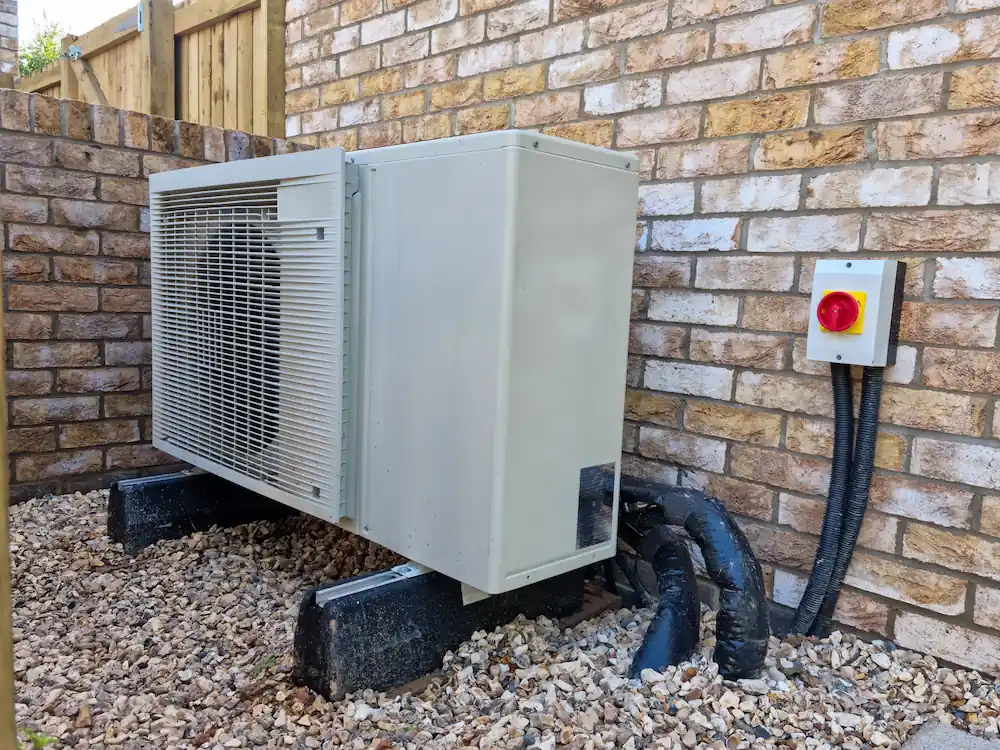
The reversing valve sits inside the outdoor unit of your heat pump system. It’s shaped like a brass or copper tube with connections on both ends. Inside this valve is a sliding mechanism that moves back and forth to change the refrigerant’s path.
Without a working reversing valve, your heat pump system would only be able to do one job – either heating or cooling, but not both. That’s why this valve is so important for your comfort all year round.
Table of Contents
How Does a Heat Pump Reversing Valve Work?
The heat pump reversing valve works using a simple but clever design. Inside the valve is a sliding part that moves between two positions. This movement changes the path that refrigerant takes through your heat pump system.
When you set your thermostat to “cool,” the valve directs the refrigerant to flow in one direction. This makes the indoor coil cold (for cooling) and the outdoor coil hot (to release heat outside). When you switch to “heat,” the reversing valve shifts to its other position. This reverses the refrigerant flow, making the indoor coil hot (for heating) and the outdoor coil cold (to absorb heat from outside).
What makes the valve move? It has a small electromagnet called a solenoid. When electricity flows to this solenoid, it creates a magnetic field that pulls the sliding part to one position. When the electricity stops, a spring pushes the valve back to its original position.
The Cooling Cycle
During the cooling cycle, the heat pump reversing valve directs the refrigerant flow so that your indoor coil becomes cold. Here’s what happens:
1. The compressor pumps hot refrigerant gas toward the heat pump reversing valve.
2. The valve directs this hot gas to the outdoor coil first.
3. The outdoor coil releases heat to the outside air, cooling the refrigerant.
4. The cooled refrigerant then flows to the indoor coil.
5. The indoor coil absorbs heat from your home’s air, cooling it down.
This process continues in a loop, constantly removing heat from inside your home and releasing it outside. The heat pump reversing valve keeps the refrigerant flowing in this direction as long as your system is in cooling mode.
The Heating Cycle
When you switch to heating, the reversing valve flips the refrigerant flow. Now the process works in reverse:
1. The compressor still pumps hot refrigerant gas.
2. The reversing valve now directs this hot gas to the indoor coil first.
3. The indoor coil releases heat into your home’s air, warming it up.
4. The cooled refrigerant then flows to the outdoor coil.
5. The outdoor coil absorbs heat from the outside air (yes, even cold air contains some heat).
This reversed cycle allows your heat pump to extract heat from the outdoor air and bring it inside to warm your home. The heat pump reversing valve is what makes this amazing process possible.
Signs of a Faulty Heat Pump Reversing Valve
Your heat pump reversing valve can develop problems over time. Knowing the warning signs can help you catch issues early before they lead to bigger problems. Here are the most common symptoms of a faulty heat pump reversing valve:
System Stuck in One Mode
The most obvious sign of a reversing valve problem is when your system gets stuck in either heating or cooling mode. You might notice:
– Your heat pump blows cold air when set to heat
– Your heat pump blows warm air when set to cool
– The system won’t switch modes when you change the thermostat setting
This happens when the valve can’t move to its other position. The solenoid might be broken, or the sliding part inside could be stuck. Either way, your system can’t reverse its operation as it should.
Unusual Noises
A failing heat pump reversing valve often makes strange noises. Listen for:
– Hissing sounds (which might indicate refrigerant leaking from the valve)
– Clicking or chattering when the system tries to switch modes
– Buzzing from the solenoid that’s struggling to move the valve
These noises usually happen when you change the thermostat setting and the system tries to switch between heating and cooling. The sounds come from the outdoor unit where the heat pump reversing valve is located.
Inconsistent Temperature
Another sign of heat pump reversing valve trouble is inconsistent temperature throughout your home. You might experience:
– Some rooms that are too hot while others are too cold
– Temperature that fluctuates throughout the day
– System that seems to switch between heating and cooling on its own
These problems occur because the valve might be partially stuck or leaking internally. This allows some refrigerant to flow in both directions at once, confusing your system and creating uneven heating or cooling.
Common Heat Pump Reversing Valve Problems
The heat pump reversing valve can develop several specific problems. Understanding these issues can help you communicate better with your HVAC technician. Here are the most common heat pump reversing valve problems:
Mechanical Failure
The moving parts inside a heat pump reversing valve can wear out or break. Common mechanical failures include:
– The sliding mechanism getting stuck due to dirt or debris
– Internal springs weakening over time
– Valve body cracking from temperature changes or pressure
These mechanical issues usually mean the valve needs to be replaced. The heat pump reversing valve contains precision parts that can’t typically be repaired once they’re damaged.
Electrical Problems
Since the heat pump reversing valve relies on electricity to operate, electrical issues are common:
– Solenoid coil burning out from age or power surges
– Wiring connections becoming loose or corroded
– Control board failing to send the proper signal to the valve
An HVAC technician can test the electrical components with a multimeter to pinpoint the exact problem. Sometimes just replacing the solenoid or fixing a wire can solve the issue without replacing the entire heat pump reversing valve.
Refrigerant Leaks
The heat pump reversing valve can develop refrigerant leaks at its connections or through cracks:
– Brazed connections to the refrigerant lines can weaken over time
– The valve body can crack from stress or freezing
– Internal seals can fail, allowing refrigerant to leak
Refrigerant leaks are serious problems that require professional attention. Not only do they prevent your system from working properly, but refrigerant can be harmful to the environment and your health. If you suspect a leak in your heat pump reversing valve, call a professional right away.
Troubleshooting Your Heat Pump Reversing Valve
While some heat pump reversing valve problems require professional help, there are steps you can take to troubleshoot basic issues. Here’s what you can do:
Basic Checks You Can Do Yourself
Before calling a professional, try these simple checks:
1. Make sure your thermostat is set correctly. Sometimes the problem isn’t the heat pump reversing valve but just incorrect settings.
2. Check if the outdoor unit is running. If it’s not, the problem might be power-related rather than the valve.
3. Listen for the clicking sound when you switch between heating and cooling. You should hear a distinct click as the heat pump reversing valve activates.
4. Look for ice buildup on the outdoor unit. While this can have many causes, it sometimes indicates a heat pump reversing valve problem.
5. Check your air filter. A clogged filter can reduce airflow and make it seem like your system isn’t heating or cooling properly.
These basic checks might help you identify whether the problem is actually with your heat pump reversing valve or something simpler that you can fix yourself.
When to Call a Professional
Some heat pump reversing valve problems are beyond DIY fixes. Call a professional HVAC technician if:
– Your system is completely stuck in one mode (heating or cooling)
– You hear hissing or other unusual noises from the outdoor unit
– The system short-cycles (turns on and off frequently)
– You notice refrigerant leaks (oil spots) around the outdoor unit
– Your energy bills have suddenly increased without explanation
A qualified technician has the tools and knowledge to safely diagnose and repair heat pump reversing valve problems. They can pressure test the system, check electrical components, and determine if the valve needs to be replaced.
Temporary Fixes
While waiting for professional help, these temporary measures might help:
– If stuck in cooling mode during winter, use emergency heat if your system has it
– If stuck in heating mode during summer, use fans to help circulate air
– Turn the system off completely if it’s making unusual noises or not providing comfort
Remember that these are just temporary solutions. A faulty heat pump reversing valve will need proper repair or replacement to restore your system’s full functionality.
Maintaining Your Heat Pump Reversing Valve
Proper maintenance can help extend the life of your heat pump reversing valve and prevent costly repairs. Here’s how to keep this crucial component working well:
Preventative Maintenance Tips
Regular maintenance helps catch problems before they become serious:
1. Schedule professional maintenance twice yearly – ideally in spring and fall before the heavy heating and cooling seasons.
2. Keep the outdoor unit clean and free of debris. Leaves, dirt, and other materials can restrict airflow and put extra strain on components including the heat pump reversing valve.
3. Maintain proper refrigerant levels. Low refrigerant can cause the system to work harder, putting stress on the heat pump reversing valve.
4. Change your air filters regularly. Clean filters ensure good airflow through the system, reducing strain on all components.
5. Exercise your heat pump reversing valve occasionally. Even in seasons when you primarily use one mode, switch to the other mode for a few minutes each month to keep the valve moving freely.
These simple maintenance steps can significantly extend the life of your heat pump reversing valve and your entire system.
Professional Maintenance Checklist
When a professional technician services your heat pump, they should check these aspects of the heat pump reversing valve:
– Test operation in both heating and cooling modes
– Check electrical connections and solenoid function
– Listen for abnormal noises during mode switching
– Inspect for refrigerant leaks around valve connections
– Measure temperature differentials to ensure proper operation
– Check refrigerant pressures in both modes
A good technician will include these checks as part of regular maintenance. Don’t hesitate to ask specifically about your heat pump reversing valve during service visits.
Extending Valve Lifespan
These additional steps can help maximize the lifespan of your heat pump reversing valve:
– Avoid frequent switching between heating and cooling modes. Each switch puts wear on the valve.
– Install a surge protector for your HVAC system to prevent electrical damage to the solenoid.
– Consider a programmable thermostat that maintains more consistent temperatures, reducing the need for mode switching.
– Keep the area around your outdoor unit clear to ensure good airflow and prevent overheating.
With proper care, a heat pump reversing valve can last 10-15 years or more, often matching the lifespan of the heat pump itself.
Frequently Asked Questions About Heat Pump Reversing Valves
How much does it cost to replace a heat pump reversing valve?
Replacing a heat pump reversing valve typically costs between $400 and $800, including parts and labor. The exact price depends on your heat pump model, your location, and the difficulty of the installation. While this might seem expensive, a properly functioning heat pump reversing valve is essential for your system’s operation. Trying to continue using a system with a faulty valve can lead to higher energy bills and additional damage.
Can I replace a heat pump reversing valve myself?
Replacing a heat pump reversing valve is not recommended as a DIY project. The process requires specialized tools, knowledge of refrigerant handling (which is regulated by the EPA), and precise brazing techniques. Improper installation can damage your system or create dangerous refrigerant leaks. Always hire a licensed HVAC professional for heat pump reversing valve replacement.
How long do heat pump reversing valves last?
A heat pump reversing valve typically lasts 10-15 years with proper maintenance. However, several factors can affect this lifespan, including:
– How frequently the valve switches between heating and cooling
– The quality of the original valve
– Whether the system has maintained proper refrigerant levels
– Local climate conditions (extreme temperatures can cause more wear)
Regular maintenance can help maximize the lifespan of your heat pump reversing valve.
What’s the difference between a heat pump and an air conditioner?
The main difference between a heat pump and an air conditioner is the heat pump reversing valve. Both systems use refrigerant to move heat, but:
– Air conditioners can only move heat in one direction (from inside to outside)
– Heat pumps can move heat in both directions thanks to the reversing valve
This means heat pumps can both cool your home in summer (like an air conditioner) and heat your home in winter (by extracting heat from outside air). The heat pump reversing valve is what makes this versatility possible.
Can a heat pump reversing valve be repaired, or does it need replacement?
In most cases, a faulty heat pump reversing valve needs complete replacement rather than repair. The valve is a sealed component with precision internal parts that aren’t designed to be serviced individually. Sometimes the solenoid can be replaced if that’s the only failing part, but if the valve body itself is damaged or leaking, complete replacement is necessary.
How do I know if my heat pump is in heating or cooling mode?
You can tell which mode your heat pump is in by:
1. Feeling the air coming from your vents (warm for heating, cool for cooling)
2. Checking your thermostat display (it should indicate the current mode)
3. Observing the outdoor unit – in cooling mode, it expels hot air; in heating mode, it expels cool air
If your system seems to be in the wrong mode despite your thermostat setting, you might have a heat pump reversing valve problem.
When to Replace Your Heat Pump Reversing Valve
Knowing when to replace your heat pump reversing valve can save you from discomfort and higher energy bills. Here are the key indicators that replacement is needed:
The heat pump reversing valve should be replaced when:
– It’s completely stuck in one position and won’t switch modes
– You hear constant hissing indicating an internal leak
– The valve has been diagnosed with internal damage
– Your system is over 10 years old and having frequent problems
– Repair costs approach 50% of replacement costs
Sometimes, the decision comes down to economics. If your heat pump system is older, it might make more sense to replace the entire outdoor unit rather than just the heat pump reversing valve. A professional can help you weigh these options.
Turn to Heat Pump Experts
Remember that a failing heat pump reversing valve forces your system to work harder, increasing energy consumption and wear on other components. Prompt replacement when needed can actually save money in the long run.
If you’re experiencing any issues with your heat pump reversing valve or have questions about your heating and cooling system, don’t hesitate to contact ACES Heating & Cooling. Our experienced technicians can diagnose your system, explain your options, and provide reliable repairs or replacements. Call us today to schedule an appointment and ensure your home stays comfortable all year round!