

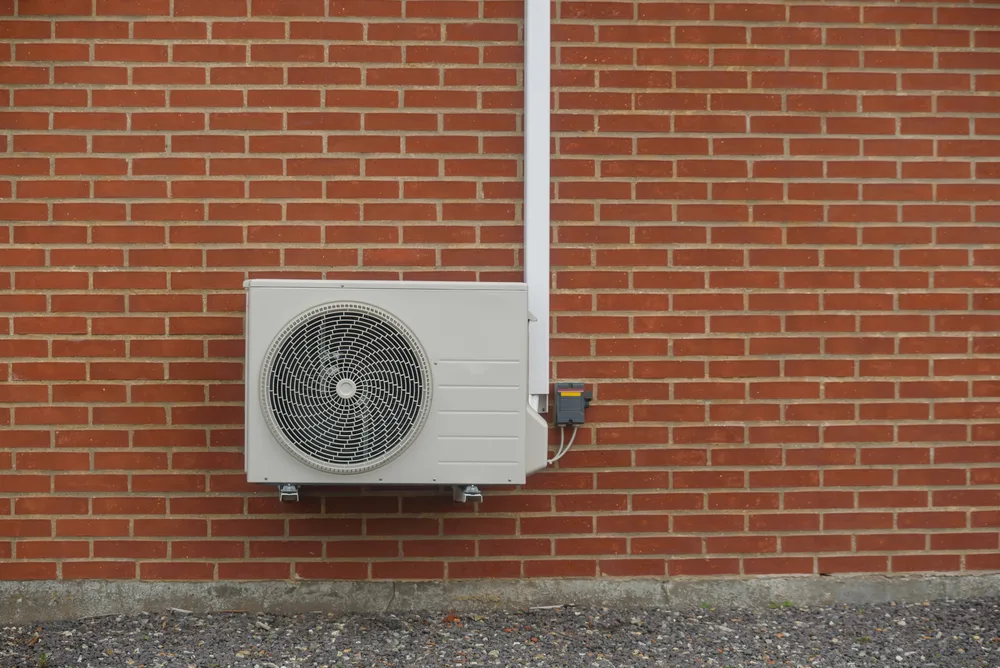
Stop Guessing About Your Heat Pump’s Future
Deciding what to do with a troublesome heat pump is stressful. You do not want to pour money into constant heat pump repairs, but you also do not want to replace the system before you really need to. When the weather in Hermiston and the Tri-Cities turns cold, you simply want steady heat and predictable bills.
A clear decision tree can make this choice much easier. By looking at four main factors, age, refrigerant type, repair history, and cost thresholds, you can get a clearer picture of what makes sense for your home. We will walk through each step and then give you a simple checklist you can use with a certified contractor to decide if repair or replacement is the smarter move for your situation.
Age and Efficiency of Your Heat Pump
Heat pumps do not last forever, especially in an area with hot summers and cold winters. How old your system is, and how it is running right now, is the starting point for the repair or replace call.
Systems under 8 years old are often worth repairing when they have been cared for, since a one-time repair on a younger unit can provide several more years of service. From about 8 to 12 years old, the decision becomes less clear because repair history, refrigerant type, and heating and cooling performance matter as much as age. At 13 years old or more, units often lose efficiency, may struggle in very hot or very cold weather, and can have parts that are harder to find, so even smaller issues may point to bigger problems ahead.
As heat pumps age, they tend to run longer to do the same job, which can lead to higher power bills, rooms that never feel quite warm or cool enough, more noise from the outdoor unit, and longer run times or short cycling. So age is not just a number. If your older unit is still keeping you comfortable with only light maintenance, repairs may still make sense. If you are already uncomfortable in key rooms, that same age points strongly toward replacement.
Refrigerant Type and Future Repairs
The refrigerant inside your heat pump has a big impact on long-term repair choices. Older systems often use refrigerants that are being phased out, which makes repairs more complicated and more expensive.
Older refrigerants such as R-22 are no longer produced, which can make topping off a system or fixing a leak pricey. Newer refrigerants such as R-410A are more common, easier to source, and designed to work with modern equipment. If your system uses an older, harder-to-find refrigerant and has a leak or a major part failure, putting more money into it may not be the best long-term move. Each time the system loses refrigerant, you are not just paying for the chemical itself. You are also paying for leak detection, leak repair, and testing.
Newer technology can also provide more stable temperatures, quieter operation, improved indoor air quality when paired with the right components, and lower energy use compared to aging systems.
Because refrigerant handling is highly regulated, it is important that any work in this area is done by properly trained and certified technicians. Look for teams with credentials such as EPA 608 certification, Green Tech certification (Mainstream), and PTCS airflow training, especially if you are exploring rebate programs tied to tested airflow. That helps protect your home, your system, and the environment.
Repair History, Red Flags, and Cost Thresholds
Next, take a look at the past couple of years. Even a fairly new heat pump can become a money pit if it needs repeated attention.
Consider how often you have called for heat pump repairs in the last 2 to 3 years, whether those calls happened during very hot or very cold weather, and whether the same part or symptom keeps coming back. Repeated capacitor failures, compressor trouble or hard starting, frequent refrigerant leaks or low refrigerant messages, unusual grinding or rattling noises, and short cycling are all patterns to discuss with a qualified technician.
A handy rule many homeowners use is the 50 percent rule. If a single repair on an older system costs more than about half of what a new system might cost, it is often smarter to start talking about replacement. This is a general homeowner guideline, not a guarantee or universal rule. Even if a repair is less than that, several medium-sized repairs in a short time can add up to more than one well-planned replacement.
When you work with a contractor, clear, friendly communication around repair options, pricing, and timelines can help you compare your choices. Getting information in writing and having someone explain it in plain language makes it much easier to decide if you should fix the current issue or start planning a change-out.
Using a Simple Repair or Replace Decision Tree
Now bring the pieces together. Here is a simple decision path you can walk through before your next service visit:
- Consider age: Under 8 years, lean toward repair unless there are serious problems; from 8 to 12 years, weigh the other factors closely; at 13 years or older, consider replacement if a major repair is needed.
- Check the refrigerant: If the system uses older, phased-out refrigerant, replacement becomes more attractive when there is a leak or major problem; current refrigerant can support repair, especially on younger units.
- Review repair history: Rare, one-time issues often support repair, while frequent or repeating issues call for a comparison of long-term repair and replacement costs.
- Compare repair cost: Consider replacement when a repair is more than half of what a new system might cost, recent repair spending is already high, or energy bills are climbing without changes in your usage habits.
Service invoices, model details and refrigerant type, warranty or extended coverage information, and recent utility bills can help a technician assess the situation. It is also useful to mention rooms that are consistently too hot or too cold, rising energy bills, or concerns about whether the system can make it through another winter without a surprise breakdown.
Homeowner Checklist and Working with a Pro
Before a service visit, note your system age or installation year, the refrigerant type listed on the outdoor unit label, past repair dates and descriptions, current symptoms, noises, or error messages, typical thermostat settings for heating and cooling, how often you change filters, and recent electric bill amounts. This gives your technician a quick snapshot of your system’s life story and helps them spot patterns.
During a service visit, ask what the short-term repair options are and how long they might last, what longer-term reliability concerns the unit has, and whether any rebate programs tied to tested airflow or high-efficiency installs might apply if you choose to replace. A professional, customer-focused contractor can explain repair options and installation timelines so you know what to expect.
ACES HVAC communicates by text, phone, and email, including outside business hours. The company provides arrival updates through its home service app, so customers know when a uniformed technician is close, and Spanish-language service is available. Emergency work is available 24/7 for an additional fee.
Strong communication, quick response, and professional service help you move through the repair-or-replace decision with more confidence and keep your home comfortable when the weather is extreme and you simply want reliable heat and cooling.
Restore Reliable Comfort With Expert Heat Pump Repairs Today
If your heat pump is struggling to keep your home comfortable, our experienced technicians are ready to help with fast, precise heat pump repairs. At ACES HVAC, we carefully diagnose the issue and explain your options so you can make an informed decision that fits your home and budget. We work efficiently to minimize downtime and help prevent small problems from turning into expensive breakdowns. To schedule service or ask questions, simply contact us today.