
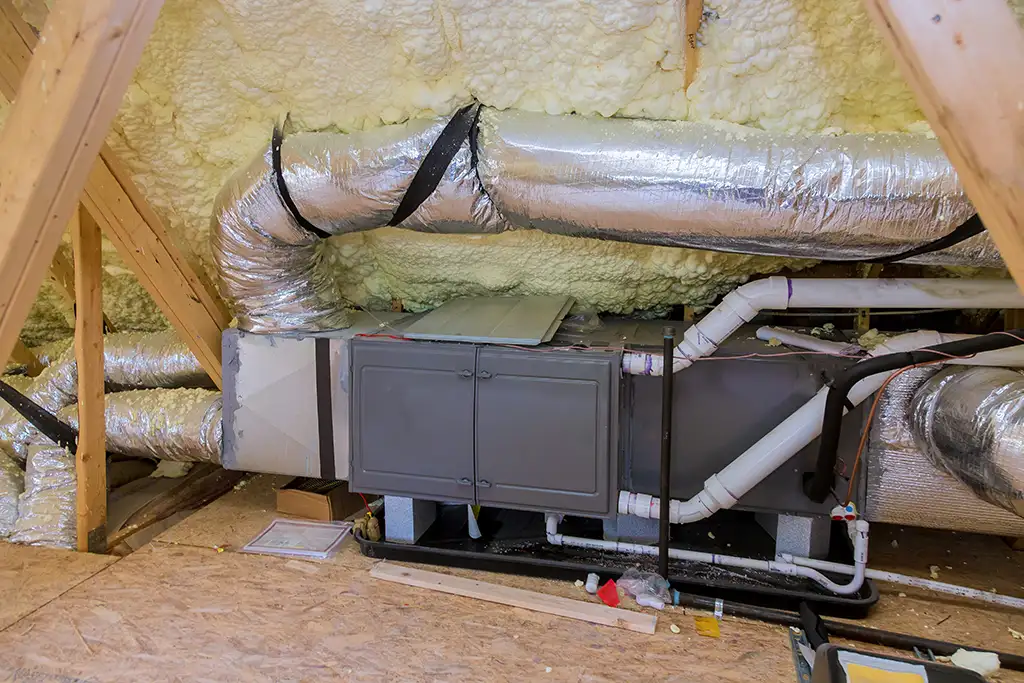
So, you’re thinking about a new furnace. That’s great. But before you jump in, understand that furnace installation mistakes can turn your cozy upgrade into a costly nightmare. This isn’t just about comfort—it’s about safety and your budget. Let’s discuss how to avoid common HVAC installation mistakes and ensure optimal performance.
Why Proper Furnace Installation Matters
A correctly installed furnace provides more than just warm air; it delivers efficiency, safety, and longevity. It’s an investment in your home’s value and your peace of mind. However, a bad installation can waste money and cause issues like water damage.
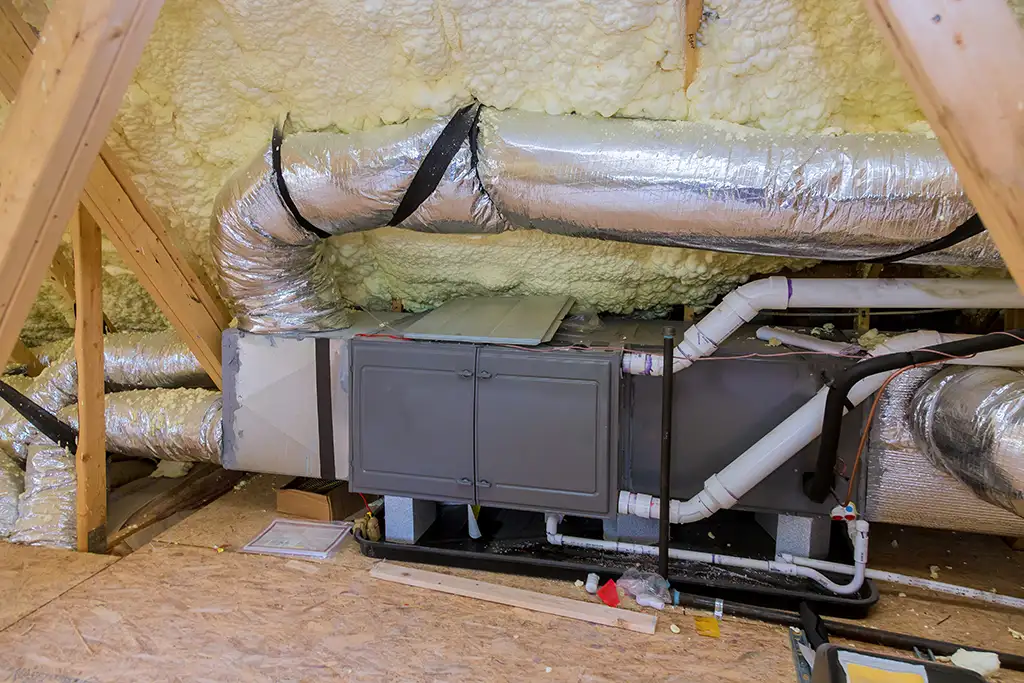
According to the North Carolina Alternative Energy Corporation, a surprising 90% of HVAC systems have installation errors. ENERGY STAR states that these errors can decrease efficiency by almost 30%. This results in higher energy bills and a shorter system lifespan.
Common Furnace Installation Mistakes
A new furnace installation can feel like a big, complex project. It’s important to become informed and hire a qualified contractor with the necessary experience and training for a quality job. Let’s delve into common furnace installation mistakes homeowners encounter.
Hiring an Inexperienced HVAC Installer
Experience is crucial when hiring a furnace installation team. An inexperienced HVAC installer’s oversight can cause several issues affecting temperature control, utility bills, and indoor air quality. This doesn’t mean avoiding new businesses, however, thorough research helps you make the best choice.
A skilled contractor understands installation techniques to prevent gaps and leaks where conditioned air escapes and debris enters. They ensure exhaust pipes, flues, and vents function correctly to remove carbon monoxide. Incorrect placement can hinder optimal performance and proper ductwork.
A quality furnace installation considers furniture placement and how you use your home’s spaces. Registers and return grills are positioned for maximum temperature balance and air filter accessibility. A well-designed drainage system is essential, as all heating and cooling systems produce condensation. Poor drainage leads to water damage, leaks, and mold growth. Even seemingly minor details can quickly escalate into costly problems.
Choosing the Wrong HVAC Size
Properly sizing your furnace is crucial. An oversized unit won’t heat your home faster. It causes temperature swings, premature wear, and inefficient operation. Undersized furnaces struggle to heat your home, leading to frustration and discomfort. Finding the right size means a comfortable home and lower monthly bills.
A too-small furnace runs constantly, leading to early failure. A too-large unit short cycles, wasting energy like rapid acceleration and braking in a car wastes gas. Having a professional assess your home and determine the correct furnace size is vital. This prevents these potential issues and ensures your new AC unit functions correctly. Addressing proper HVAC size prevents these performance issues and saves money.
Neglecting Ductwork and Ventilation
Ductwork and ventilation are essential for a successful furnace installation. Proper duct system design impacts air pressure, energy efficiency, and clean air. Correctly sized ducts ensure efficient heating and cooling throughout your home. Check for air leaks or insufficient ventilation and consider duct cleaning if needed. Your annual maintenance should also involve examining the ductwork.
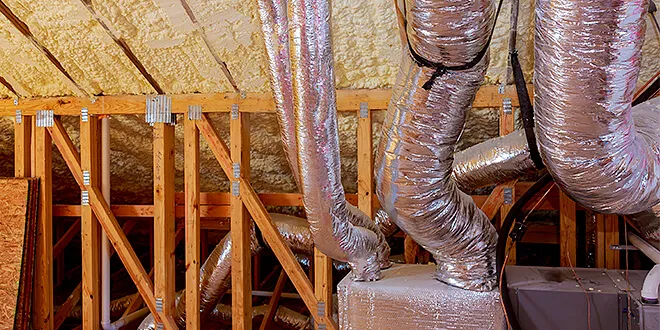
A competent installer will evaluate your current ductwork. They will seal leaks, ensuring proper ductwork for the new furnace’s output. Leaks and misaligned ducts cause inconsistent temperatures, uneven air distribution, dust buildup, allergen circulation, and energy loss.
Thermostat Troubles and Incorrect Voltage
Thermostat issues can arise from improper furnace installation. Thermostat placement determines accurate temperature readings and overall system performance. This can impact heating costs and potentially lead to carbon monoxide buildup from gas furnaces if safety procedures aren’t followed.
The outdoor HVAC unit requires correct voltage and sufficient open space. This allows for proper function, airflow, and achieving optimal performance. An interior wall is not the best location for a thermostat, find an open space instead. These mistakes impact air quality issues.
Ignoring Warranty Registration
Ignoring warranty registration is a common mistake. This isn’t about immediate malfunctions but long-term protection. Imagine a problem arising after installation, only to discover your warranty is invalid. Ensure everything is registered immediately after installation for coverage against unforeseen issues.
Conclusion
Avoiding furnace installation mistakes means doing it right the first time. Carefully choose an installer: check reviews, verify licenses, ask questions about installation guidelines, and discuss vent and register placement.
Selecting a qualified professional and doing research prevents problems, creates a comfortable and safe home, improves indoor air quality, and helps save money. Being proactive and informed ensures your system keeps you warm in winter, lowers utility bills, and lasts for years.
By following these tips, you can avoid costly repairs and health risks related to poor indoor air quality. Take the extra step to avoid common HVAC installation mistakes, ensure your home comfort, and potentially even learn about AC repair or heat pump repair should problems arise in the future. Installing a new HVAC unit is an investment, it is crucial to address all potential damage beforehand and choose an installer with expertise. Choosing the right size for your heating system goes beyond temperature readings and influences temperature balance within each room.
Contact us today for more information or to schedule a free consultation.