
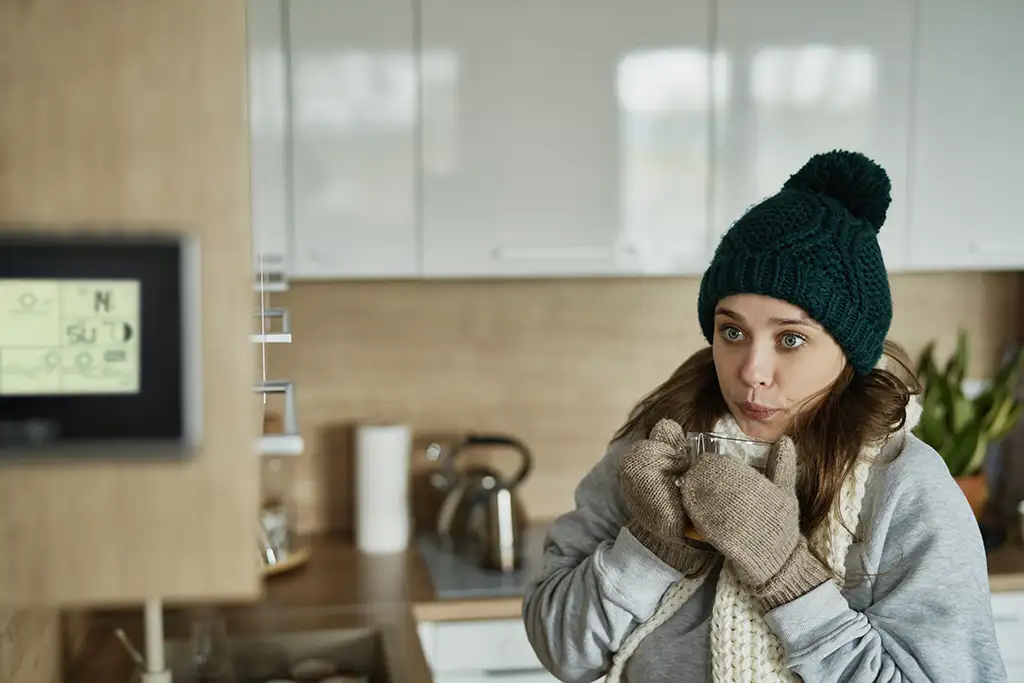
The chill in the air is supposed to be coming from outside, right? A furnace blowing cold air is one of the most frustrating things for a homeowner, especially as those frosty winter days roll in. You bundle up, crank up the thermostat, and wait… but still feel that unwelcome draft.
Don’t worry, a blast of cold air from your furnace doesn’t always mean a complete system meltdown. It often signals a fixable issue, and knowing the cause can save you time, money, and a whole lot of shivering.
Why Is My Furnace Blowing Cold Air?
Several culprits could be behind your furnace blowing cold air, ranging from simple fixes to ones that might require an HVAC professional. Let’s take a look at some of the most common reasons your furnace may not be heating properly.
1. Thermostat Troubles
Sometimes the simplest solutions are the ones we overlook. It might seem obvious, but make sure your thermostat is actually set to “Heat” and not “Cool.” If your home’s temperature is still below the thermostat setting, it might just be trying to do its job – with cold air.
Also, if your thermostat fan is set to “On” instead of “Auto”, this forces the fan to run constantly, even without heat. This means it might just be blowing around the existing cool air in your home. Switching the fan setting back to “Auto” ensures it runs only when the furnace is actually heating. Thermostat troubles can be the cause of your furnace malfunctioning!
2. Pilot Light or Ignition Problems
For those with older gas furnaces, the culprit could be a simple one – the pilot light. In these systems, the pilot light ignites the burners to produce heat. If it’s out, you’re out of luck for warmth.
Modern furnaces rely on electronic ignition systems. If your furnace uses an electric ignition, it could be faulty, preventing the burners from lighting. A faulty ignition system can subsequently leave you with cold air blowing out the vent when the heat is on.
3. A Dirty Air Filter – The Usual Suspect
A dirty air filter is like a clogged artery in your furnace. Airflow gets restricted, and the system can overheat and shut down as a safety precaution, resulting in – you guessed it – a furnace blowing cold air. This is a common problem but is easily fixed by replacing your air filter regularly.
4. Overheating Issues and Safety Features
Like any hard-working appliance, furnaces can overheat. Furnaces have a limit switch, a safety feature that turns off the burners if the temperature gets too high.
However, if your furnace overheats frequently, this constant triggering of the limit switch can cause your furnace to blow cold air as it struggles to keep up with the demand. This situation can damage your system in the long run and is a good reason to contact an HVAC professional.
5. Clogged Condensate Drain Line
For those with high-efficiency furnaces, condensate drain lines are a crucial part of the system. They remove condensation produced during heating.
But when a condensate drain line gets blocked, it can trigger a switch that stops those burners from lighting up. If your furnace is blowing cold air, especially in an older system, it may be due to condensate blockage. Just like the air filter, a blocked condensate line is something that can be checked and cleaned by the homeowner.
6. Ductwork Leaks – Where’s the Warmth Going?
According to Energy Star, leaks in your duct system mean lost heat – sometimes as much as 20% to 30%. That’s a lot of wasted energy and money, plus an unnecessarily chilly house. These leaks act as escape routes for your precious heated air, especially if located in unheated spaces like attics.
That means the heated air your furnace is working so hard to produce is going to waste, leaving you with that dreaded cold air blowing from your furnace. If you suspect you have leaky air ducts, it may be a good idea to contact a professional about getting them sealed.
7. Malfunctioning Flame Sensor
In modern furnaces, the flame sensor keeps an eye on those all-important burners, making sure they’re actually lit. If the sensor gets coated in dirt or grime (a common problem with furnaces that see a lot of action), it can disrupt this process.
It may misread the situation and turn off the burners even when they’re functioning properly. Result? That all-too-familiar cold air blowing out your vents. If your flame sensor is dirty, it may just need a quick cleaning.
Taking Control – What Can You Do?
Facing a furnace blowing cold air can be daunting, but often a few simple checks are all it takes:
- Thermostat Check: As mentioned earlier, making sure it’s set to “Heat” and the fan mode is “Auto” is step number one.
- Filter Check and Replace: Aim to replace or clean your furnace filter at least every three months. A clean filter goes a long way.
- Visual Inspection: Open your furnace and ensure that your furnace’s burners are lit. Also, observe if there are unusual sounds or visible signs of damage. Remember – safety first. If you suspect a gas leak or other serious problems, it’s time to call the professionals.
Furnace Still Blowing Cold Air?
Sometimes, it’s not a DIY situation. Knowing when to call in the experts is crucial, especially when dealing with gas lines or complex furnace components. If your furnace is still blowing cold air even after trying basic troubleshooting steps, consider these possibilities:
- Faulty Circuit Control Board: The circuit control board acts as the brain for your entire system. If the circuit board is malfunctioning, your heating won’t function properly. A certified HVAC technician will need to handle this.
- Gas Supply Problems: Issues with the gas valve, a gas furnace blowing cold air from a lack of fuel, or even problems with your gas line will require a professional’s touch. You’ll also want to familiarize yourself with the safety procedures and contact your gas company immediately if you suspect a leak.
Cracked Heat Exchanger: Considered the heart of your furnace, a cracked heat exchanger means trouble, potentially exposing your home to dangerous carbon monoxide gas. Only a trained technician should handle such repairs.
Preventing a Cold Shoulder from Your Furnace
Prevention is key. Regular furnace maintenance can help catch those smaller problems before they become big chills:
| Maintenance Task | Description | Frequency |
|---|---|---|
| Replace or clean the air filter | This helps to ensure proper airflow and prevents the furnace from overworking. | Every 1-3 months, depending on usage and filter type. |
| Inspect and clean the condensate drain line | Prevents blockages that can shut down the furnace. | Every 3 months, or more often if needed. |
| Check for duct leaks and seal if necessary | Reduces energy waste and improves heating efficiency. | As needed, or consider professional duct sealing. |
| Inspect and clean the flame sensor | Ensures proper burner ignition and furnace operation. | Annually, or as part of regular maintenance. |
| Schedule professional furnace maintenance. | A comprehensive inspection and tune-up by a qualified technician. | Annually, ideally, before the heating season begins. |
Here are a few additional tips to consider to prevent furnace issues:
- Invest in a Programmable Thermostat: Upgrade to a programmable (or smart.) thermostat. You’ll appreciate the control over temperature settings and enjoy potential energy savings. This translates to better efficiency and may help avoid those moments of panic when your furnace seems to have declared a cold war. You may even be able to diagnose problems with your HVAC system through a smart thermostat.
- Be Mindful of Furniture Placement: Don’t block vents or return air registers with furniture or other objects. This can restrict airflow and cause your furnace to work harder than it needs to.
- Keep the Area Around Your Furnace Clear: Make sure the area around your furnace is clear of debris, combustible materials, and clutter. This will help with proper airflow and reduce fire hazards.
Address Small Issues Promptly: Don’t ignore unusual noises, strange smells, or a sudden drop in heating efficiency. Addressing small problems early can prevent them from becoming major headaches down the road.
Conclusion
Encountering a furnace blowing cold air in the dead of winter can throw your whole household into a frenzy. Knowing what might be going wrong is the first step to restoring warmth. Hopefully, this information gives you the power to address minor problems before needing a pro. Remember, those annual check-ups will be one of your best tools against unexpected chills. So, stay warm, stay safe, and take charge of your home comfort.
Ready to turn to specialists for expert furnace assistance? You can count on ACES Heating & Cooling to help you anytime you need it! Contact us today for more information or to schedule a free consultation.
Schedule service today!
Schedule service today!
Ready for Peace of Mind?
Don’t let AC noises disrupt your comfort. Contact ACES Heating & Cooling today to schedule a consultation or repair service. With our commitment to quality service and customer satisfaction, we’ll ensure your AC is quiet, efficient, and reliable. Call us to learn how we can help you maintain a perfect home climate in Hermiston, OR. Keep your cool, even when the temperatures soar!