

What is AC Refrigerant and How Does it Work?
AC refrigerant is a special fluid that helps your air conditioner make cool air. It’s the magic ingredient that takes the hot air from inside your home and turns it into cool, refreshing air. Without refrigerant, your AC would just be a big fan that blows around room-temperature air.
The refrigerant in your AC system moves through a closed loop of coils and components. It changes from a liquid to a gas and back again as it travels. This changing process is what helps pull heat from your home’s air.
Think of AC refrigerant like the water in a sponge. When you squeeze a wet sponge, water comes out. Your AC system “squeezes” the refrigerant to remove heat from your home’s air. Then it sends that heat outside where it belongs.
Types of AC Refrigerant Used in Home Systems
Over the years, different types of AC refrigerant have been used in home cooling systems. Each type has its own properties and environmental impact. Let’s look at the main types you might find in your home system.
R-22 (Freon): The Phased-Out Option
R-22, often called Freon, was the most common AC refrigerant for many decades. It worked very well for cooling homes. But scientists discovered it was harmful to our ozone layer.
Because of this environmental damage, R-22 has been phased out. Since January 2020, new R-22 can no longer be made or imported in the United States. If your older AC system still uses R-22, you should know it’s getting harder and more expensive to find.
Many homeowners with R-22 systems face tough choices when their AC needs more refrigerant. The cost of R-22 has gone way up since it’s no longer being produced.
R-410A (Puron): The Current Standard
R-410A, often sold under the brand name Puron, is the most common AC refrigerant in newer home systems. It was designed to replace R-22 without harming the ozone layer.
This refrigerant works at higher pressures than R-22. This means it can absorb and release more heat, making your AC system more energy efficient. Most AC units made after 2010 use R-410A.
R-410A is better for the environment than R-22, but it still has a high global warming potential. This means it contributes to climate change if it leaks into the air.
R-32 and Other Newer Options
The AC refrigerant world keeps changing as we look for better options. R-32 is one of the newer refrigerants being used in some systems. It has a lower global warming impact than R-410A.
Other new refrigerants include R-454B and natural refrigerants like propane. These options are being developed to be even more environmentally friendly while still cooling your home well.
The AC industry is always working to find refrigerants that cool effectively without harming our planet. As technology improves, we’ll likely see even more options become available.
Signs Your AC System Needs Refrigerant
Your air conditioner is designed to use the same AC refrigerant over and over again. It doesn’t get “used up” like gas in a car. But sometimes leaks happen, and your system might need more refrigerant. Here are some signs to watch for.
Weak or Warm Airflow
One of the first signs of low AC refrigerant is weak airflow from your vents. You might notice that the air coming out isn’t as strong as it used to be. This happens because your system can’t absorb as much heat without enough refrigerant.
Another clear sign is when the air coming from your vents isn’t as cool as it should be. Your AC might run and run, but your home never gets comfortable. This is because without enough refrigerant, the cooling process can’t work properly.
If you find yourself turning the thermostat lower and lower but still feeling warm, it might be time to check your AC refrigerant levels.
Unusual Sounds or Ice Formation
Low AC refrigerant can cause strange hissing or bubbling sounds in your system. These noises happen when refrigerant is leaking out through a hole or crack in the lines.
You might also notice ice forming on the copper lines outside your home or on the indoor evaporator coil. This happens because low refrigerant causes the system to get too cold in some spots.
Ice on your AC is never normal, even though it’s a cooling system. If you see ice, turn off your AC and call a professional right away.
Higher Energy Bills
When your AC system is low on refrigerant, it has to work much harder to cool your home. This extra work shows up on your energy bills as higher costs.
You might notice your electric bill climbing during hot months, even if you haven’t changed how you use your AC. This could be a sign that your system is struggling due to low refrigerant.
An efficient AC system with the right amount of AC refrigerant should cool your home without excessive energy use. If your bills are climbing, it’s worth having your system checked.
The Refrigerant Recharge Process Explained
When your AC system needs more refrigerant, it’s not as simple as adding more fluid. The process, called a “recharge,” should always be done by a trained professional. Here’s what happens during this important service.
Professional Diagnosis
Before adding any AC refrigerant, a good technician will first find out why your system is low. Remember, refrigerant doesn’t get used up during normal operation. If levels are low, there’s a leak somewhere.
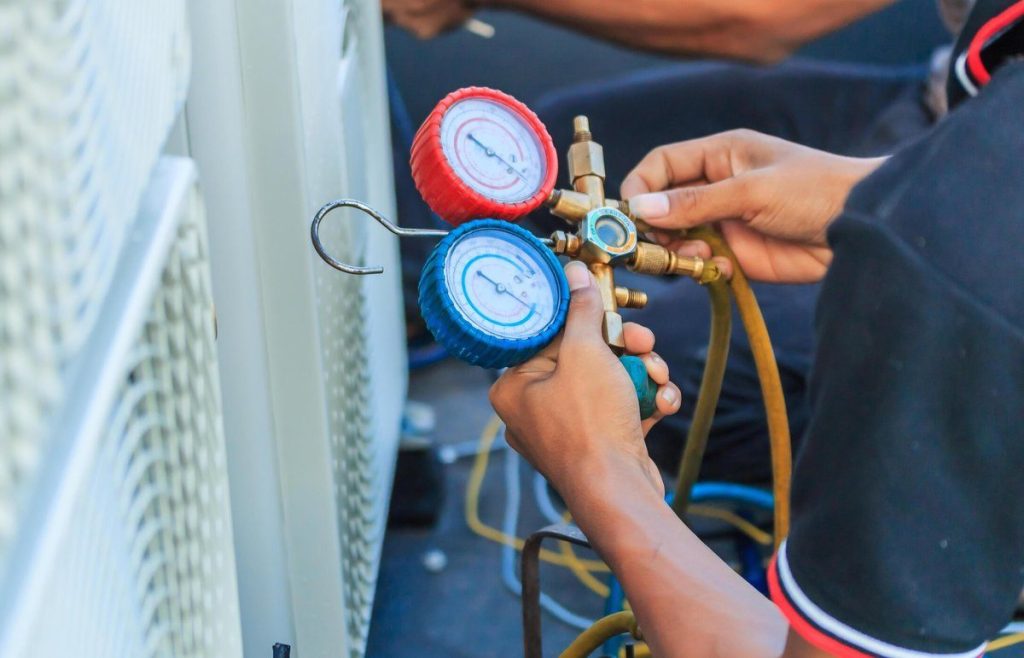
The technician will use special tools to check pressure levels in your system. This tells them if you really need more refrigerant or if something else is causing your AC problems.
Finding and fixing the leak is the most important part. Without this step, any new refrigerant will just leak out again, wasting your money and harming the environment.
The Recharge Procedure
Once any leaks are fixed, the technician will add the right type and amount of AC refrigerant to your system. They’ll use special equipment to measure exactly how much is needed.
The refrigerant is added in its gas form through the service ports on your AC system. The technician will check pressure readings as they work to make sure they add just the right amount.
Adding too much or too little refrigerant can damage your system. That’s why this job requires special training and tools that most homeowners don’t have.
Testing and Verification
After adding the AC refrigerant, the technician will run your system to make sure it’s working properly. They’ll check that the pressures are correct and that your AC is cooling effectively.
They might also use temperature gauges to check that the air coming from your vents is cold enough. The difference between the air going into your system and coming out should be about 15-20 degrees.
A proper recharge should restore your AC’s cooling power and efficiency. You should notice cooler air and possibly lower energy bills after the service is complete.
Environmental Impact and Regulations
AC refrigerant has a big impact on our environment. That’s why there are strict rules about how it’s made, used, and disposed of. Understanding these regulations helps you make better choices about your AC system.
The Ozone Layer and Global Warming Concerns
Older AC refrigerants like R-22 damage the ozone layer. This thin layer of gas in our upper atmosphere protects us from harmful sun rays. When these refrigerants leak, they rise up and break down ozone molecules.
Newer refrigerants don’t harm the ozone layer, but many still contribute to global warming. When released into the air, they trap heat in our atmosphere much more effectively than carbon dioxide.
Even a small refrigerant leak can have the same climate impact as driving a car for thousands of miles. That’s why proper handling is so important.
EPA Regulations and Phase-Out Schedules
The Environmental Protection Agency (EPA) creates rules about AC refrigerant in the United States. These rules help protect our environment while still allowing us to cool our homes.
The EPA has created phase-out schedules for harmful refrigerants. R-22 production ended in 2020. Now, the EPA is working on plans to reduce the use of high global warming refrigerants like R-410A.
These regulations affect what kind of refrigerant your new AC system will use. They also impact the cost and availability of refrigerant for older systems.
Proper Disposal and Recycling
When an AC system is repaired or replaced, the old refrigerant must be captured, not released into the air. Special equipment recovers the refrigerant so it can be recycled or destroyed safely.
It’s against the law for anyone—even professional technicians—to intentionally release AC refrigerant into the atmosphere. Penalties for doing so can include heavy fines.
If you’re replacing an old AC system, make sure your contractor properly recovers the refrigerant. Ask them about their recovery process to ensure they’re following environmental regulations.
Maintaining Your AC System’s Refrigerant
The best way to handle AC refrigerant issues is to prevent them in the first place. Good maintenance can help keep your system running smoothly and avoid costly repairs. Here’s how to take care of your AC’s refrigerant system.
Regular Professional Maintenance
Having your AC checked by a professional once a year is the best way to catch refrigerant problems early. Spring is a good time for this check-up, before the hot summer months.
During maintenance, the technician will check refrigerant levels and look for signs of leaks. They’ll also clean important parts and make sure everything is working properly.
This regular care helps your system last longer and run more efficiently. It’s much cheaper than emergency repairs when your AC stops working on the hottest day of summer.
Preventing Refrigerant Leaks
You can help prevent AC refrigerant leaks by keeping the area around your outdoor unit clean and clear. Remove sticks, leaves, and debris that could damage the coils or lines.
Be careful when mowing or trimming near your outdoor unit. Hitting the copper lines with lawn equipment is a common cause of refrigerant leaks.
Inside your home, make sure air filters are changed regularly. Dirty filters make your system work harder, which can stress components and lead to leaks over time.
When to Call a Professional
If you notice any signs of refrigerant problems—like weak cooling, ice formation, or hissing sounds—call a professional right away. Don’t wait until your system stops working completely.
Never try to add refrigerant yourself. It’s dangerous, illegal without proper certification, and could damage your expensive AC system.
Choose a licensed HVAC contractor with good reviews and proper certifications. They should be EPA-certified to handle refrigerants safely and legally.
Frequently Asked Questions About AC Refrigerant
Here are answers to some common questions homeowners have about AC refrigerant.
How often does AC refrigerant need to be replaced?
AC refrigerant doesn’t wear out or get used up. In a properly working system, the same refrigerant cycles through the components over and over again. You should only need to add refrigerant if there’s a leak in your system.
If a technician tells you that you need refrigerant “topped off” every year as regular maintenance, get a second opinion. This suggests they’re not fixing the underlying leak problem.
A well-maintained AC system should keep its refrigerant for many years without needing additions.
Can I add refrigerant to my AC myself?
No, you should never try to add AC refrigerant yourself. It’s illegal unless you have EPA certification. Refrigerant can be dangerous to handle without proper training and equipment.
DIY refrigerant kits sold in stores can damage your AC system. They often contain sealants that can clog important components. They might also contain the wrong type of refrigerant for your system.
Always hire a licensed professional for any work involving refrigerant. It’s safer, legal, and better for your system in the long run.
How much does it cost to recharge AC refrigerant?
The cost to recharge AC refrigerant varies depending on several factors. These include the type of refrigerant your system uses, how much is needed, and labor rates in your area.
For systems using R-410A, you might pay $100-$350 for a recharge. If your system still uses R-22, costs can be much higher—sometimes $400-$600 or more—because this refrigerant is no longer produced.
Remember that a proper service should include finding and fixing the leak, not just adding more refrigerant. This makes the service more valuable but also more expensive.
Is it better to repair a refrigerant leak or replace the AC?
For minor leaks in newer systems, repair is usually the best option. A good technician can often find and fix leaks for much less than the cost of a new system.
However, if your system is old (over 10-15 years), uses R-22 refrigerant, or has major component failures, replacement might make more sense. New systems are much more energy-efficient and use environmentally friendlier refrigerants.
The best approach is to get a professional assessment of your specific situation. They can help you compare repair costs versus replacement benefits.
Why Proper AC Refrigerant Management Matters
Taking care of your AC refrigerant is important for many reasons. It affects your comfort, your wallet, and our environment. Here’s why you should pay attention to this invisible but crucial part of your cooling system.
Proper refrigerant levels keep your home comfortable even on the hottest days. When your system has the right amount of AC refrigerant, it cools efficiently and removes humidity effectively.
Good refrigerant management saves you money. A system with the correct refrigerant charge uses less electricity than one that’s struggling with low levels. You’ll see the difference on your utility bills.
Perhaps most importantly, careful handling of refrigerant protects our environment. When professionals recover and recycle refrigerant instead of letting it escape, they help preserve our ozone layer and reduce global warming.
Your AC system is a significant investment in your home’s comfort. Taking care of its refrigerant needs helps protect that investment and extend its useful life.
If you’re concerned about your AC’s performance or think you might have a refrigerant issue, don’t wait until you’re uncomfortable. Contact ACES HVAC today to schedule a professional inspection. Our certified technicians can check your refrigerant levels, find and fix any leaks, and ensure your system is running at peak efficiency. Your comfort and peace of mind are just a phone call away!