

Inside the Future of Cooling
Cooling down on a hot summer day or staying cozy in winter – we often take HVAC systems for granted. But what makes temperature control possible? It’s the refrigerant. A new type, A2L refrigerant, is changing the industry. What will this A2L refrigerant change mean for homeowners?
What Makes A2L Refrigerants Different?
Traditional refrigerants, like R-410A, have a high global warming potential (GWP). GWP describes how much a refrigerant contributes to global warming. The EPA aims to phase out refrigerants with a high GWP refrigerant.
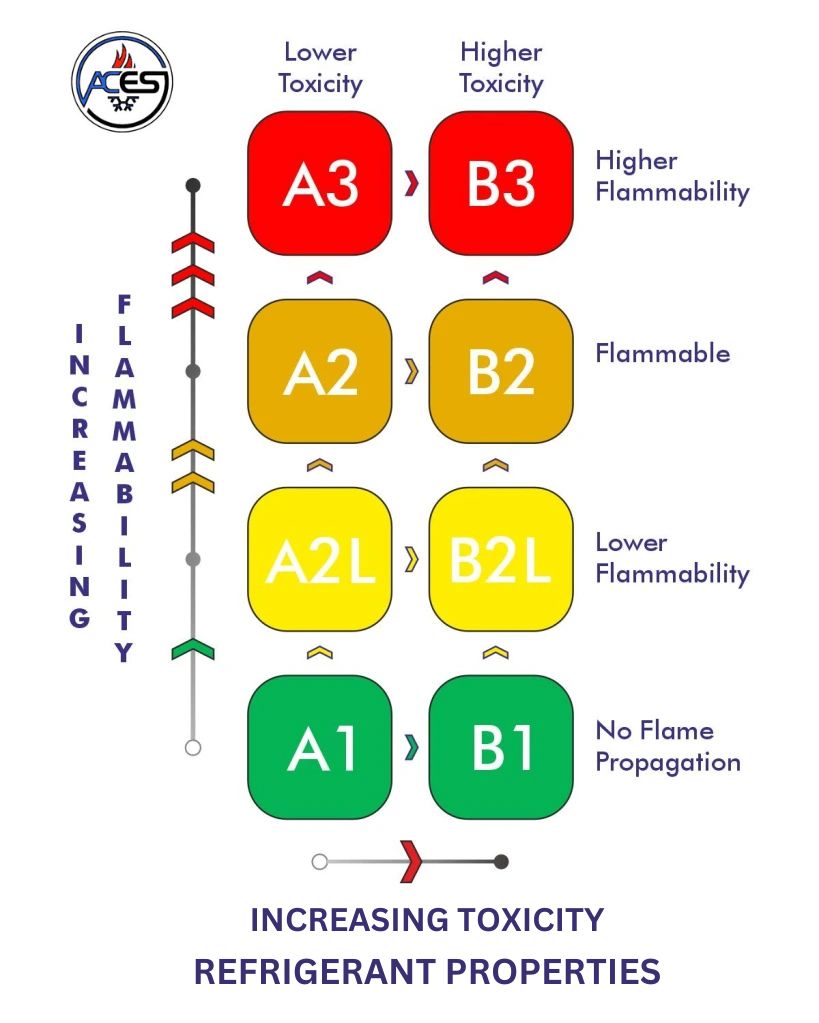
This shift led to A2L refrigerants with low GWP and mild flammability. “Flammable” may sound alarming. However, “mild flammability” means it needs a much higher concentration and stronger ignition source to ignite than propane.
The Benefits of Embracing A2L Refrigerant
A2L refrigerants offer several benefits for homeowners. These include energy efficiency and environmental soundness. A2Ls bring advantages in these key areas: Low GWP, Efficiency, and System Compatibility.
Low GWP: These refrigerants have significantly lower global warming potential. This aligns with the Kigali Amendment and efforts to reduce greenhouse gases. Switching to a low-GWP refrigerant is a key step in reducing your carbon footprint.
Efficiency: Companies like Carrier and Johnson Controls use A2L refrigerants. They offer similar performance to previous refrigerants. This efficiency often translates to ENERGY STAR® ENERGY-certified products, which can save money on utility bills.
System Compatibility: Switching to an A2L system often doesn’t require major modifications. This can simplify the transition for homeowners and reduce installation costs.
A2L Refrigerant: Safety First
Safety is a primary concern with “mildly flammable” refrigerants. The risk is minimal, but precautions are necessary. Studies show that A2L ignition requires extreme conditions. However, there are important safety measures.
Technicians need A2L-compatible tools and training. Proper installation is crucial. Adhering to safety protocols, like understanding minimum ignition energy, is essential. Regular maintenance checks and leak detection provide added safety.
Addressing Common Concerns about A2L Refrigerants
Let’s address some common misconceptions about A2L refrigerants. Understanding the nuances of these refrigerants can help homeowners make informed decisions. These common concerns cover different types of A2Ls, system compatibility, and local codes.

Are all A2Ls the same? No, these have varying GWP levels and safety classifications. Understanding these differences is important for choosing the right refrigerant for your system.
Can I swap R-410A for an A2L without replacing the whole system? There’s no universal drop-in replacement (Enertech Blog). While similar to predecessors like R-410A, specific compatibility needs to be checked. For example, R-32 has a 78% lower GWP than some A2L blends.
What about state and local codes for A2Ls? Building codes for these refrigerants vary. Consult the ICC or AHRI’s map for compliant installation.
The Future Is Cooler With A2L
A2L refrigerants are becoming more common. This shift in the HVAC industry addresses environmental concerns without sacrificing comfort. The HVAC industry is embracing these alternative policy developments as well. They’re innovating while preserving the environment.
FAQs
Here are some frequently asked questions about A2L refrigerants to provide additional clarity.
What are the alternatives to A2L refrigerants? Other low-GWP options include natural refrigerants like carbon dioxide and hydrocarbons. HFO blends and HFO refrigerants are also available, offering a variety of choices.
Are there any specific standards that apply to A2L refrigerants? Yes, standards like ASHRAE Standard 34 classify refrigerants based on toxicity and flammability. Specific codes may apply to different refrigerants and jurisdictions.
What happens if an A2L refrigerant leak occurs? A2Ls have a lower flammability limit, meaning they require higher concentrations to ignite. Proper ventilation can mitigate risks. However, it’s essential to address any refrigerant leakage promptly.
Conclusion
A2L refrigerants offer a brighter future for home cooling and heating. As older refrigerants are phased out, making informed decisions about system replacements is important. A2L refrigerants help save on energy costs and protect the environment.
They offer improved quality of life without major system overhauls. Next-generation technologies use refrigerants with lower global warming potential (GWP), such as R-454B. They are a sustainable, game-changing replacement for refrigerants like R-410A.
Contact us today for more information or to schedule a free consultation.