

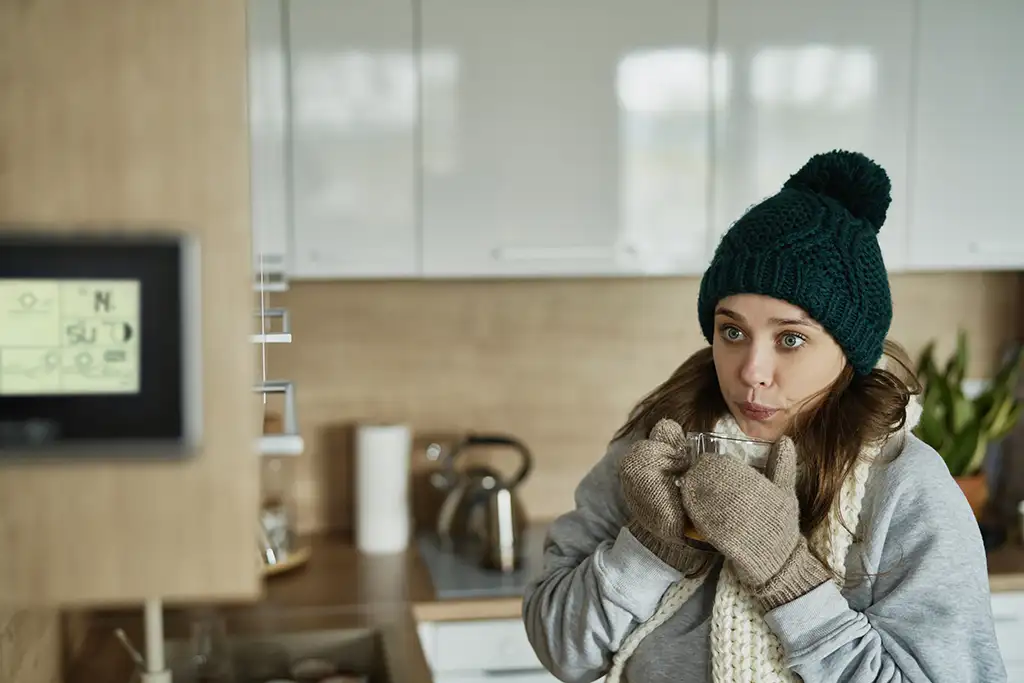
Winter’s coming, and for homeowners, that means higher energy bills. But before you resign yourself to exorbitant heating costs, consider this: effective winter heating tips can make a world of difference. You’ll learn how to keep your house warm and your wallet happy throughout the colder months.
These tips aren’t just about cranking up the thermostat—they’re about working smarter with your heating systems, not harder.
Essential Winter Heating Tips for Homes
These practical tips range from simple tweaks to more involved projects. All share a common goal: maximizing warmth while minimizing energy waste and reducing heating costs. Let’s start with the easiest fixes to set you on the right path to a warm and cozy home.
Quick Wins for a Warmer Home
Small changes can yield surprising results. One of the most impactful? Adjust your programmable thermostat.
The Department of Energy points out that lowering your thermostat by 7-10 degrees for eight hours daily can cut heating costs by 10%. Consider lowering it further when you’re away or asleep since our bodies maintain a fairly even temperature.
Another game-changer is using ceiling fans strategically. Reversing their direction to rotate clockwise on a low setting creates an updraft. This pushes warm air, which naturally rises, down into the living space, improving air circulation.
Sunlight is free heating. Open curtains on south-facing windows during the day to let the sun’s rays passively warm your home. Remember to close window treatments at night to prevent heat loss and trap that precious heat inside.
Sealing the Leaks: Draft-Proofing Your Home
Ever feel a chilly breeze even when the heat’s on? Drafts are a major culprit of heat loss during winter.
Inspect your windows and doors for gaps. Seal them with weather stripping or caulk to reduce heat loss. Adding door sweeps at the base of exterior doors can also significantly block cold air entry.
It sounds simplistic, but these fixes can make all the difference to your comfort and heating energy use.
Boosting Your Heating System’s Efficiency
Keeping your HVAC unit working optimally is non-negotiable. Scheduling annual HVAC maintenance can help your system perform at peak levels during winter and avoid costly breakdowns.
Regular maintenance catches minor problems early, preventing them from becoming expensive repairs.

Clean or change furnace filters monthly in the winter. This ensures good airflow and reduces the strain on your heat pump or other heating systems.
Optimizing Indoor Air Quality for Warmth
Dry winter air doesn’t just feel colder; it is colder. This often leads people to raise the thermostat, increasing heating costs.
Running a humidifier adds moisture, making the heated air feel warmer. This allows you to lower the thermostat and save energy.
Replacing your furnace filter monthly also improves indoor air quality, filtering out dust, dander, and allergens that commonly circulate during the colder months when we spend more time indoors.
Insulation: Your Home’s Winter Coat
Proper insulation is vital, especially since roughly a third of heat is lost through attics with insufficient insulation as winter approaches. Insulated ceilings, walls, floors, and windows create a barrier against the cold. Consider upgrading your existing insulation for consistent long-term savings on heating costs and fewer drafts.
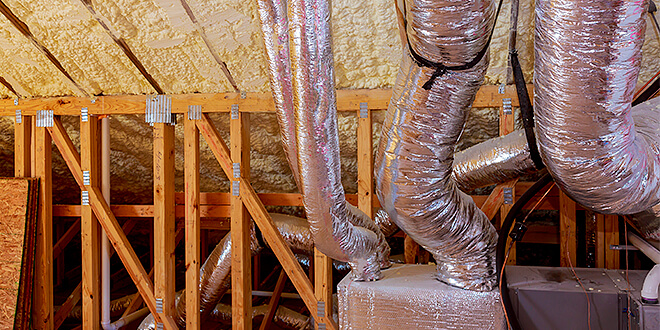
Also, insulate gaps around plumbing and electrical features in ceilings and walls. Don’t forget about insulating ducts, chimneys, and doors as well.
Supplemental Heat Sources: Targeted Warmth
Space heaters can help keep common areas warm, allowing you to lower the whole-house thermostat setting. Use space heaters safely, and never leave them unattended.
Wood-burning fireplaces offer zone heating but use exhaust fans sparingly. Limit exhaust fan use to about 20 minutes per use to avoid losing heated air.
Supplemental Winter Heating Tips for Homes
Let’s explore additional winter heating tips to further enhance your comfort and energy savings.
Window Treatments: Harnessing and Conserving Heat
Windows are a major source of heat loss, with about 20% of a home’s heat escaping through them. Thermal curtains or cellular blinds can significantly reduce heat loss through windows.
Close curtains at night to insulate against cold air. Consider adding plastic wrap directly to windows for added insulation.
Furniture Placement for Optimal Heat Flow
Furniture placement can affect heat flow. Move furniture away from heating vents to allow unobstructed airflow. This will distribute heated air more effectively throughout the room.
Ensure radiators are also free from blockage for optimal heat transfer.
Using Rugs
Rugs can add warmth and comfort, especially on wood or tile floors. They act as insulation, preventing heat loss through the floor.
Layering rugs can provide even more warmth on especially cold days. Try placing a smaller rug over a larger one for increased insulation.
Think Like A Plumber
Insulating exposed hot water pipes can improve your water heater’s efficiency, saving energy and lowering your bills.
Financial Assistance for Winter Heating
Sometimes, we need help beyond DIY tips. Government and other organizations offer programs to help with winter heating costs.
Check for weatherization initiatives and the Low-Income Home Energy Assistance Program (LIHEAP). Some areas offer programs like Wood 4 Good, which provides firewood.
Conclusion
Implementing these winter heating tips will improve your comfort and reduce heating costs during the colder months. A warmer home and lower energy bills are achievable with the right preparation and strategies.
Some of these winter heating tips for homes will pay for themselves in the long run. Take charge of your winter comfort and energy efficiency by employing these methods.
Staying warm while conserving energy makes your home more comfortable and contributes to a healthier environment.