
Summer temperatures can soar, and homeowners face a dilemma when the air conditioning unit falters: attempt DIY AC repair or call professional technicians. Both routes have their merits and limitations. ACES Heating & Cooling aims to guide homeowners in understanding these so they can make informed decisions that ensure safety and efficiency.
Safety First: Is DIY AC Repair Safe?
Safety is a primary concern when it comes to DIY AC Repair. While minor issues like replacing air filters or cleaning the outdoor unit might be manageable tasks for a homeowner, handling electrical components and refrigerants can be risky. Incorrectly diagnosing or repairing an issue can cause further damage to the system or even pose a fire hazard. Before attempting any repairs, homeowners should consider the safety implications and whether they possess the required knowledge and tools to fix their AC unit.
The Toolbox: Essential Tools for DIY AC Repair
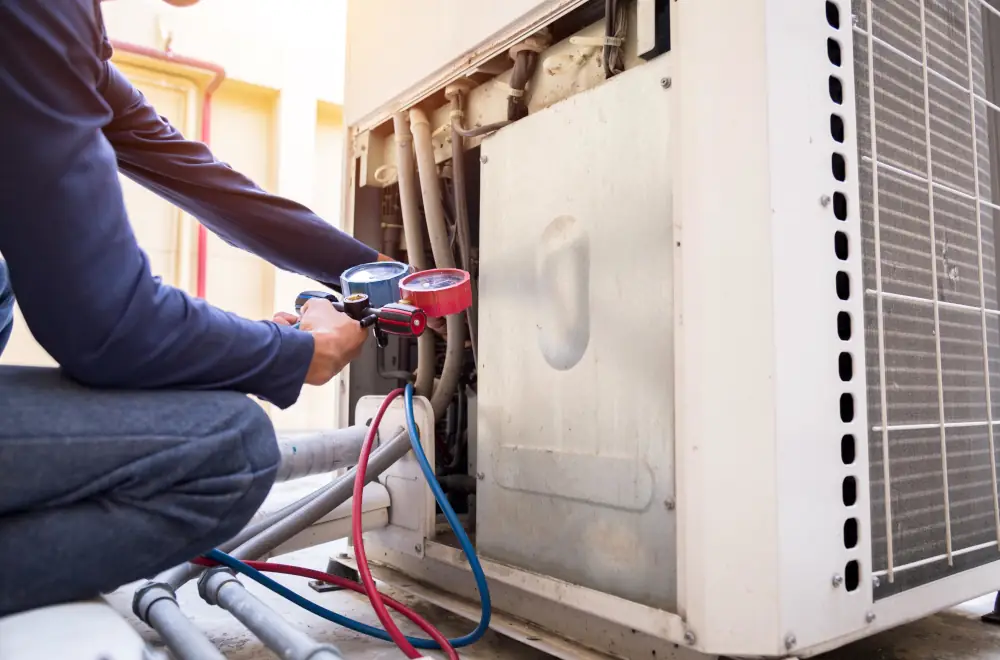
The availability of appropriate tools partly determines the scope of repairs that homeowners can safely carry out. Basic tools like screwdrivers, wrenches, and a multimeter are usually necessary. However, some repairs may require specialized equipment, such as vacuum pumps or refrigerant gauges, which are expensive and require proper training.
A system running on the correct type and level of refrigerant not only lowers energy bills but can also prolong the unit’s lifespan, saving money on potential replacements or frequent repairs. Moreover, a system running efficiently is less likely to break down during peak seasons, thus saving homeowners from the discomfort and stress of emergency repairs.
Cost Implications of DIY AC Repair
One of the main draws of DIY repair is the potential for cost savings. By eliminating labor costs, homeowners might save money upfront. But improper repairs can lead to inefficiencies that increase energy bills or, worse, necessitate even more expensive professional repairs down the line. Moreover, certain repairs can void the manufacturer’s warranty, leading to higher costs in the long run.
DIY-Suitable Tasks: When a DIY Approach Suffices
Certain tasks are generally safe for homeowners to handle. However, it’s important to consult the user manual and follow all safety guidelines for these simple tasks.
- Replace Air Filters: Regularly check and replace air filters to maintain good air quality and system efficiency.
- Clean Condenser Coils: Gently clean the external condenser coils to remove dust and debris affecting cooling efficiency.
- Check Thermostat Settings: Ensure the thermostat is properly calibrated and running on the correct settings.
- Unclog Drain Lines: Use a wet-dry vacuum to unclog the AC drain line, which can help prevent water damage and improve efficiency.
- Inspect Wiring and Electrical Connections: Turn off the power to the unit and check for any loose or frayed wires that could pose a safety risk. (Note: Professionals should generally handle electrical issues, but homeowners can do basic inspections.)
- Lubricate Moving Parts: Lubricate motors and bearings as directed in your AC unit’s manual to ensure smooth operation.
- Check Circuit Breaker: If the AC is not turning on, check the circuit breaker to see if it has tripped.
- Inspect and Clean Vents: Regularly check that all vents are clean, clear of obstruction, and open.
- Listen for Unusual Noises: Identifying unusual sounds early can help diagnose issues before they become major problems. However, finding and fixing the source is often a professional job.
- Test Run After Winter: Before the cooling season starts, run your AC to check for any issues that might have developed over the winter.
- Check Refrigerant Lines: While homeowners shouldn’t handle refrigerants, they can look for signs of leaks or damage and call professionals if something seems off.
- Visual Inspection for Leaks or Damage: Regularly inspect the unit for any signs of water leaks, ice formation, or physical damage, and consult professionals if something appears wrong.
When to Fold: Knowing When to Call a Professional
Sometimes, calling a professional is not just advisable but necessary. Complex refrigerants-related issues, electrical systems, or internal mechanical components often require specialized knowledge and tools. Moreover, for repairs that involve handling refrigerants, federal laws require that certified technicians perform them. It’s always safer to consult a professional to diagnose and address AC issues when in doubt.
Schedule service today!
Schedule service today!
How To Decide
Deciding between DIY AC Repair and professional service often concerns safety, skill, tools, and the issue’s complexity. While DIY can save money in the short term for simple repairs, the risks often outweigh the benefits for more complex issues. Homeowners should assess the situation carefully and consider calling in experts when faced with tasks that exceed their skillset or comfort level.
Don’t gamble with your home’s comfort or safety. For complex AC issues, consult the professional team at ACES Heating & Cooling. Book a service appointment today to ensure a cool, hassle-free summer.
By weighing the pros and cons of DIY AC Repair vs. professional service, homeowners can make an informed decision ensuring optimal performance and peace of mind.